 This week, The Junto is dedicated to reconsidering the legacy of Al Young. Young died two years ago this week, but we scheduled the timetable unaware of that coincidence. Instead, we originally scheduled it to coincide with Pope’s Day, a topic many of us associate with Al Young. After his passing, the internet was filled with many personal and heartfelt memoriams from colleagues and former students. But this week, my fellow Juntoists and I will reconsider the legacy of Al Young and a body of work with few equals in the history of early American scholarship. Continue reading
The Week in Early American History
 Welcome back to the week(s) in early American history! Continue reading
Welcome to The Junto‘s Newest Member
 We are very happy to announce the second of two most recent additions to The Junto, Jessica Parr. Continue reading
Welcoming The Junto‘s Newest Member
 We’re very excited to announce that Casey Schmitt has accepted an invitation to become The Junto‘s newest contributor. Continue reading
Big History: Weighing the Benefits and Drawbacks of a Comparative Project
Casey Schmitt is a PhD candidate in History at the College of William & Mary, where she is writing a dissertation on the Iberian roots of seventeenth-century Anglo-American slave law. This is her second guest post, following her first on the value of storytelling and the use of audiobook primary sources in the classroom here.
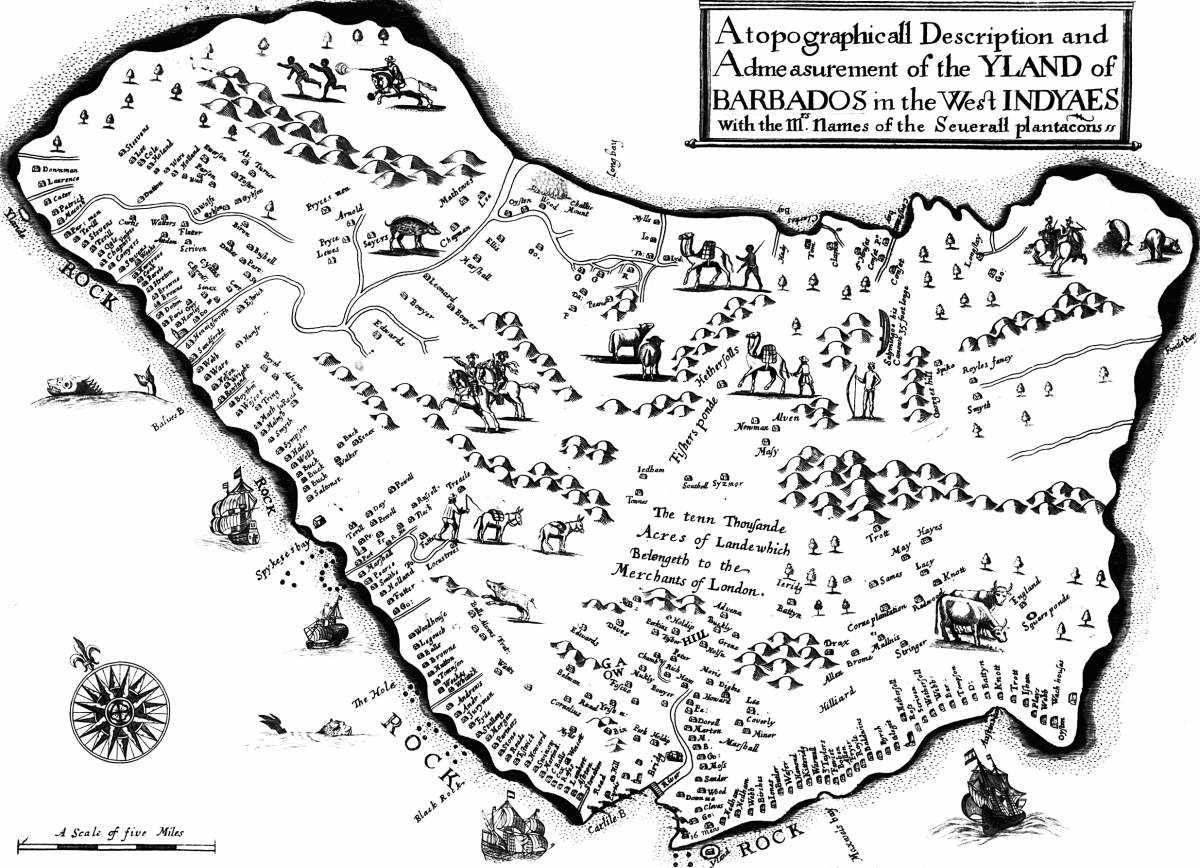 A little over a year ago, I switched research interests from the study of eighteenth-century contraband trade between Jamaica and Cartagena de Indias to a comparative study of the codification of slave law in the greater Caribbean. Admittedly not too drastic of a change, I was nonetheless daunted by moving from a historiography containing a select number of significant works to a field where innumerable scholars have dedicated entire careers. Like any graduate student, I began working through the library stacks here at the College of William and Mary, seeking answers to what I thought would be easy questions: Were the legal regimes of European slave societies shaped by their interactions with other slave societies in the Caribbean? Were English slaveholding practices modeled off of successful Portuguese or Spanish examples? Why were there so many institutionalized efforts to codify slave law in the seventeenth century and did these separate legal dialogues unfold in conversation with one another? As you can probably guess, none of these questions have proven as easy to answer as I thought. Continue reading
Academic Audiobooks: Or, a Thinly-Veiled Plea for Recommendations
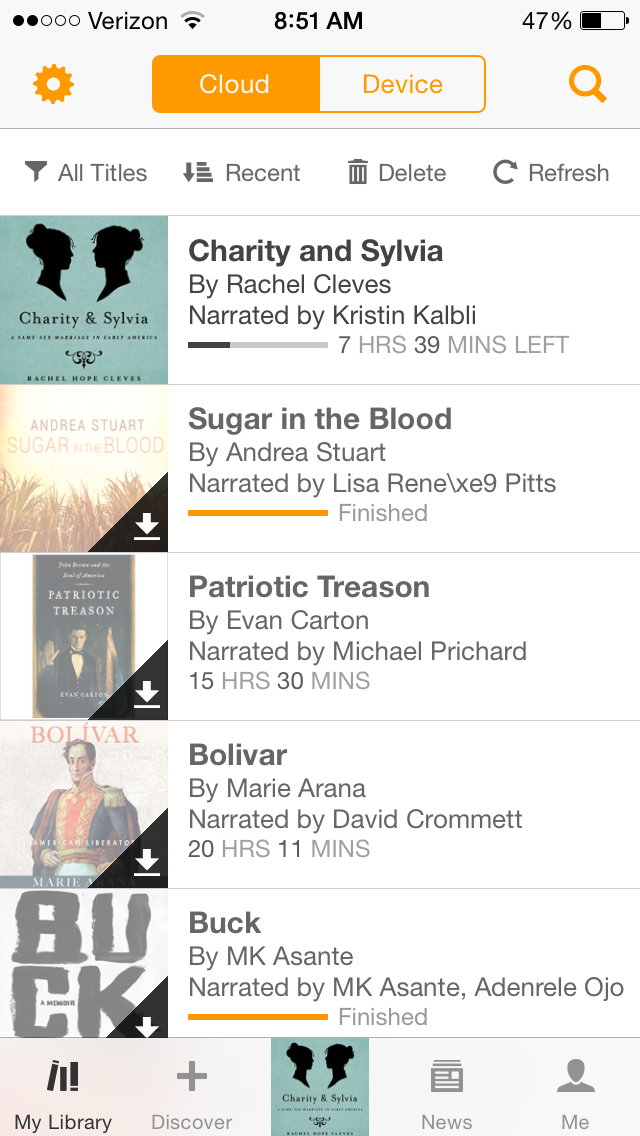 Over the past few years, I’ve become (to my great surprise) an avid listener of audiobooks. What initially began as a means to keep me awake and alert during a series of near-monthly drives back and forth from Virginia to northern New Jersey has become, over time, what I prefer to listen to in almost all circumstances: on my morning run, on my daily commute, during the several short walks I take across campus throughout the week, and even occasionally at day’s end, as I lay in bed trying to unwind before falling asleep (with my headphones in, this is a far less intrusive means of me “reading” for my slumbering wife). Continue reading
WMQ-EMSI Workshop CFP: Early American Legal Histories
The Omohu ndro Institute and the University of Southern California-Huntington Library Early Modern Studies Institute are pleased to announce the tenth in a series of William and Mary Quarterly-EMSI workshops designed to identify and encourage new trends in understanding the history and culture of early North America and its wider world.
Participants will attend a two-day meeting at the Huntington Library (May 29–30, 2015) to discuss a precirculated chapter-length portion of their current work in progress along with the work of other participants. Subsequently, the convener may write an essay elaborating on the issues raised at the workshop for publication in the William and Mary Quarterly. The convener of this year’s workshop is Sarah Barringer Gordon of the University of Pennsylvania. Continue reading
CFP: Consent in Early America, 1600-1900
 What does it mean to give consent? Or to withhold it? In what situations is it asked for? When isn’t it? And why? These are questions that most historians of early America face some time, some way or another. But the range of uses of consent is vast, from the many senses of government through relations of labour, exchange, sex, and kinship. Next March at the Rothermere American Institute in Oxford, Kathryn Olivarius and I will hold a conference with the aim of drawing connections and patterns across these disparate realms. Continue reading
Telling the Story of Women in Printing
 Today is Ada Lovelace Day, an international celebration of women in STEM fields (Science, Technology, Engineering, and Mathematics) both past and present named after the early nineteenth-century British mathematician. Here in our corner of early American studies, I want to mark the occasion by working through a question that I’ve worked on in my own writing for years: how do we effectively integrate women into the history of printing in early America?
Columbus Day video roundup
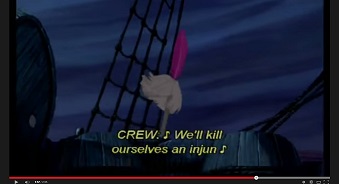 We’ve covered Columbus Day here at the blog before. Sometimes, though, it’s hard to distill academic rage and indignation into something short, pithy, and easily conveyed to undergraduates. I tend to resort to YouTube clips when I’m feeling particularly shouty. So I’d like to issue a call: what videos do you use to teach Columbus Day (or other prickly issues)? Please include a link and a short description of the video + how you use it. Continue reading
 The Junto