Up to Code

Screen Shot 2014-08-19 at 8.01.42 PM

Today, The Junto chats with David Riordan, Product Manager of NYPL Labs, about Building Inspector, a crowdsourced digital project that invites citizen cartographers to “help unlock New York City’s past by identifying buildings and other details on beautiful old maps.” Read on about the Vectorizor, how you can contribute to The New York City Space/Time Directory, and how NYPL is making the “Google Maps of the past.”
Continue reading

Guest Post: “A Display of Folly and Show”: Joseph Smith’s Impressions of Congress

Today’s guest poster, Spencer McBride, received his PhD at Louisiana State University in 2014 and is now a historian and documentary editor at the Joseph Smith Papers.  His research examines the politicization of clergymen during the American Revolution and in the early American republic.

JS uniformIn my work at The Joseph Smith Papers, I have recently been examining dozens of documents surrounding the trip Joseph Smith made to Washington D.C. in 1839. As I have prepared these documents for publication in one of the project’s future volumes, they have drawn my mind to the way men and women living in rural America during the nineteenth century perceived the federal government and what they thought occurred in its different branches. Though Smith’s experience in this regard is but one example, I think that it is a telling one. Continue reading

Interview: Alex Gourevitch on Thomas Paine

Alex Gourevitch is an assistant professor of political science at Brown University. At this summer’s SHEAR conference in Philadelphia, he presented (without reading! It’s still a novelty to us historians!) a paper called “Paine and Property: Radicalism and Anti-Radicalism in Property-Owning Democracy.” In today’s interview, he returns to those themes for The Junto.
Continue reading

The OId World of the New Republic

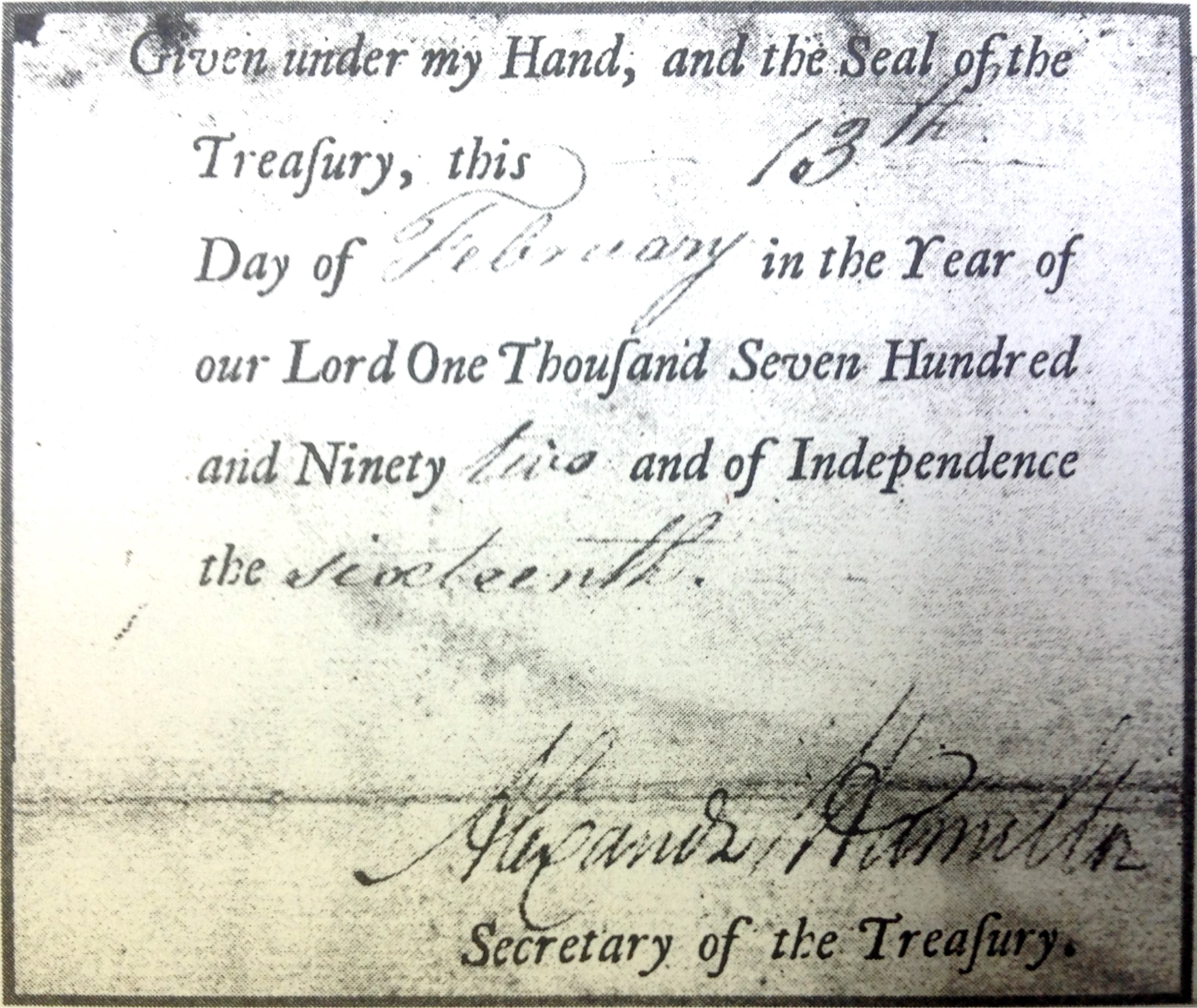
Dept of Treasury notice

As someone who works on the late colonial period (1730s-1770s) in a field dominated by the “early republic,” it is easy to feel as though I am working on the margins of the field of early American history rather than what is actually the middle or center of what we usually define as early America (i.e., 1607 to somewhere between 1848 and 1861).[1] Yet, in this brief, speculative post, I will suggest that—in terms of my own subfield of political history and political culture—one of the things missing from much of the scholarship on the early republic is the colonial period itself.  Continue reading

The Week in Early American History

TWEAHWe begin this Week in Early American History with James Oakes’ powerful and timely reflection on white abolitionism. “The Real Problem with White Abolitionists,” Oakes argues, is that “even the most radical abolitionists betrayed a blind faith in the magical healing powers of a free market in labor. Scarcely a single theme of the broader antislavery argument strayed far from the premise.”
Continue reading

Junto Summer Book Club: Interview with Kathleen Brown

brown We at The Junto would like to thank everyone who read along with us for the Junto Summer Book Club. To bring the book club to a close, we caught up with Kathleen Brown, the author of Good Wives, Nasty Wenches, Anxious Patriarchs, via email. Brown is a professor of history at the University of Pennsylvania. Her most recent book is Foul Bodies: Cleanliness in Early America.
In our interview, Brown reflects on Good Wives, Nasty Wenches, Anxious Patriarchs eighteen years after its publication, assesses the state of women’s history and gender history, and shares her current project. Continue reading

Guest Post: Thomas Jefferson and Public Historiography

I’m pleased to introduce today’s guest poster, Matthew Crow, a regular commenter here at The Junto, who received his PhD at UCLA in 2011 and now teaches at Hobart and William Smith Colleges in New York.

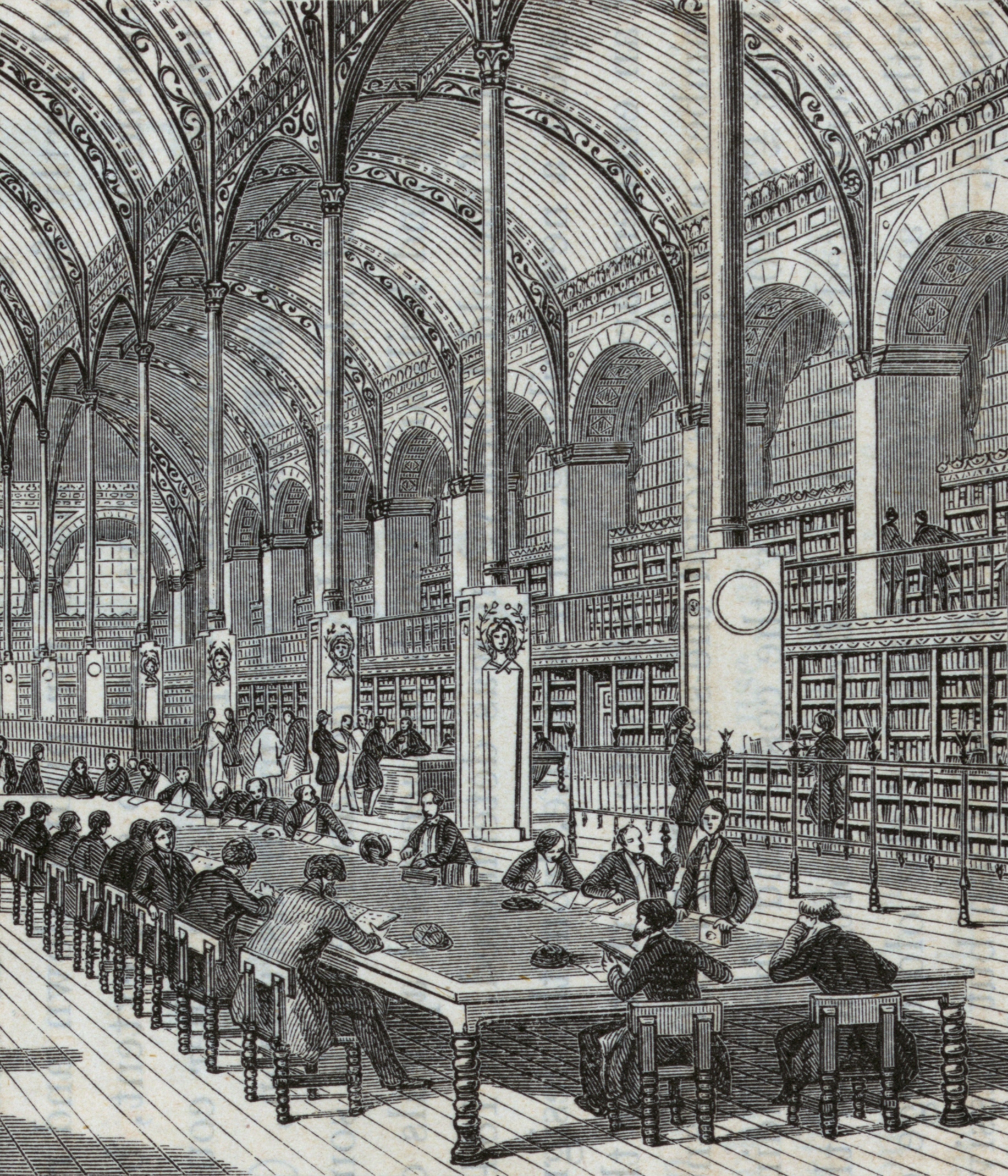
Bibliothèque_Sainte-Geneviève_1859In his compendium of global archival practices, Memoirs of Libraries, Edward Edwards developed a history of how various peoples had organized their relationship to their pasts. For Edwards, political emancipation in the wake of the great revolutions required broadening public availability of the historical documents archived by the state. Continue reading

The Documentary Record on Fire and Reading Intentionality

NewYorkCapitolFireRemains

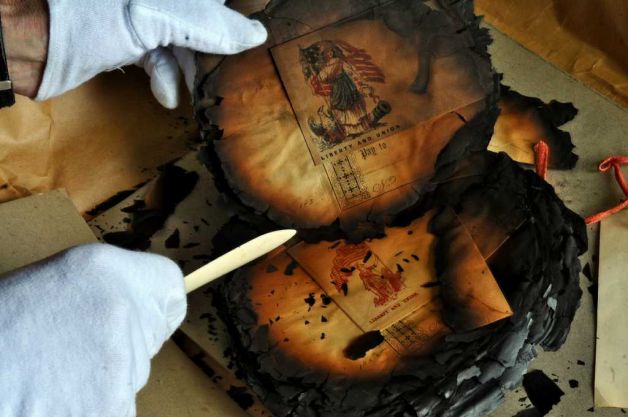
On March 29, 1911, a fire tore through the New York State Capitol Building. From the third floor of the Assembly Library, where books and papers served as kindling, it shot up to the capitol’s iconic towers. By the early morning, much of the building was in ruins, and many of the books and manuscript papers housed within it reduced to melted ink and char.

Anyone who’s used the Papers of Sir William Johnson knows the fire well. Every other page is a reminder of the embers that destroyed letters, accounts, conference minutes. It’s also a reminder that the current documentary record has been shaped in ways that—while often times hidden away—were also bright and fiery and loud. Continue reading