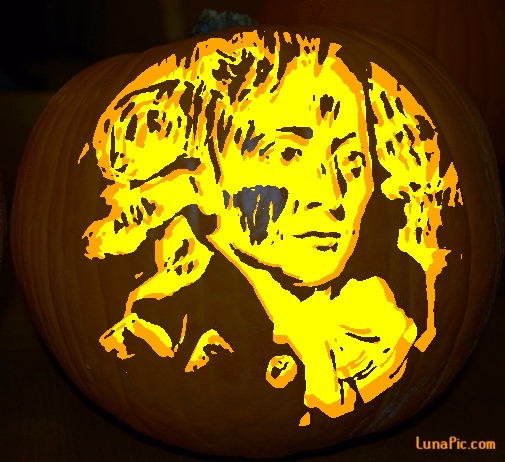
 The Adams Family Papers, 1639–1889, at the Massachusetts Historical Society is a large collection. Its microfilm edition is made up of 608 reels which are available for research at the Society and various other libraries and archives in the United States and Europe. The Adams Papers Editorial Project has published over fifty volumes to date. (To read more about the process, see Sara Georgini’s 2014 post.) As I continue to work on volume 13 Adams Family Correspondence I am reminded of the breadth of the collection, so when I went looking for a Halloween-related letter, I wasn’t disappointed. Continue reading
Tag Archives: Archives
Autumn Reads
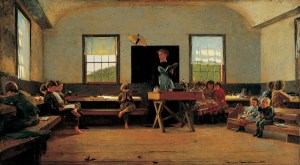
Winslow Homer, “The Country School,” 1871
Looks like #VastEarlyAmerica just got even vaster—and that’s a good thing. Here’s our fall preview of new titles. Please share your books/finds in the comments! Continue reading
13 Revolutions +1

Diego Rivera and Bertram D. Wolfe, “Portrait of America,” 1934
When John Adams looked back on the American Revolution (something he liked to do), he reflected that, “The Revolution was in the Minds and Hearts of the People.” The colonists’ drive to independence marked a new era of American history, Adams thought, when “Thirteen Clocks were made to Strike together; a perfection of Mechanism which no Artist had ever before effected.” Scholars have struggled to frame the experience of the Revolution in picture and on the page. How can we use digital tools to curate collections of revolutionary culture and #vastearlyamerica for use in the classroom?
Today, The Junto chats with Darren Milligan, Senior Digital Strategist at the Smithsonian Center for Learning and Digital Access, about the Smithsonian Learning Lab, which encourages us to make, use, and share new galleries of history. Continue reading
Guest Post: More Atlantic Archives
Today, The Junto concludes its series on “Archives around the Atlantic” with a guest post from Patrick Johnson about working in the General Archive of Mexico. Patrick Johnson is a PhD candidate in Anthropology at William and Mary, you can read about research and fieldwork from him and other anthropologists at their new blog.
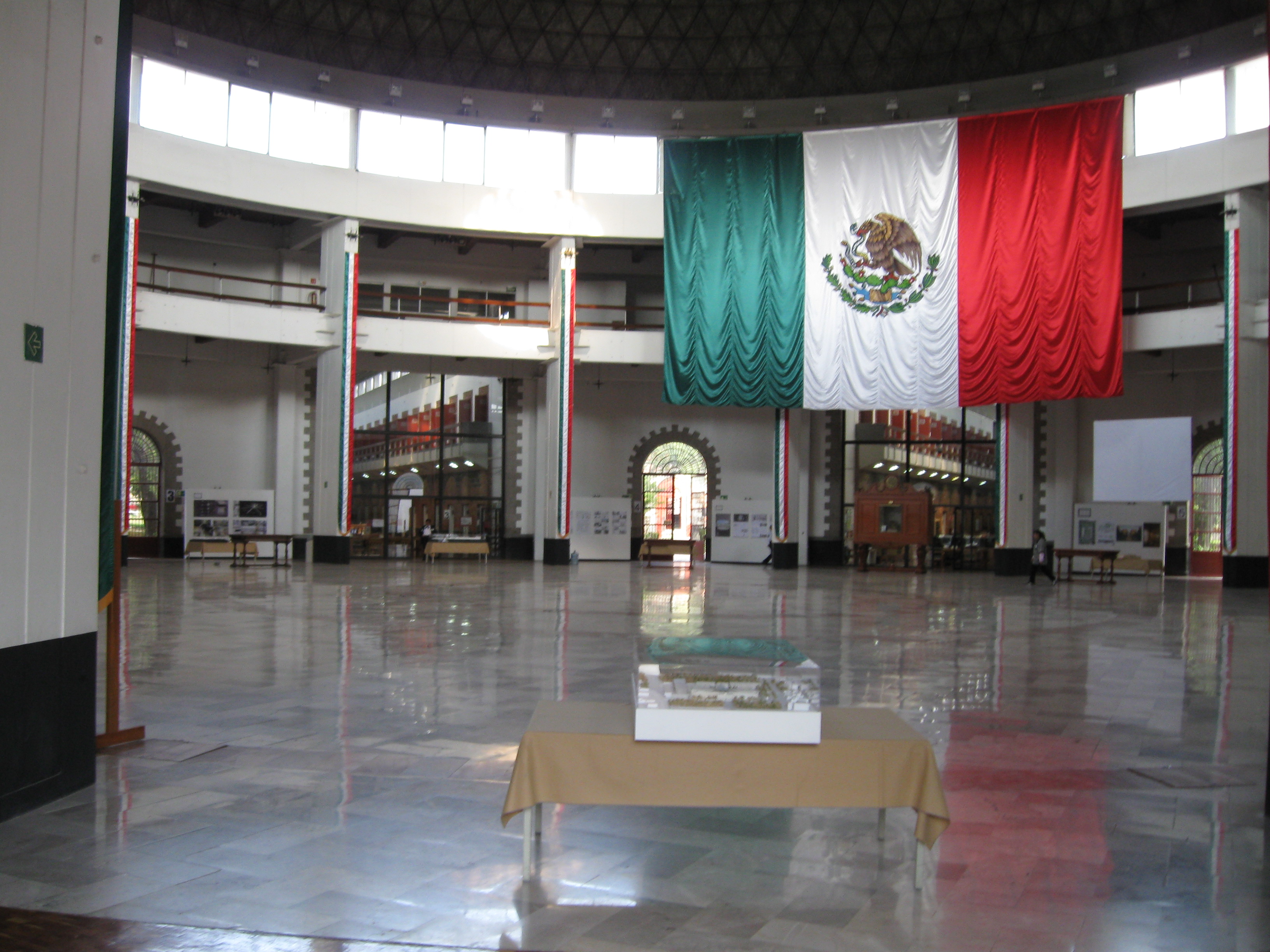 Great posts at The Junto about archival work in Spain, France, England, Jamaica, and the United States got me thinking about my own archival work in 2010 in Mexico City. And, while the Archive of the Indies receives well-deserved attention from historians, Spanish archives in Mexico and collections in the US remain underutilized for understanding not only territories occupied by the Spanish but also colonialism in the present-day United States. Continue reading
Guest Post: Research in Jamaica
Rounding off this week’s roundtable on travel to the archives, we are pleased to present a guest post by Dr. Aaron Graham, a Stipendiary Lecturer in History at New College, Oxford, and author of Corruption, Party, and Government in Great Britain, 1702-1713 (Oxford University Press, 2015). Aaron is currently working on corruption, finance and empire in North America and the West Indies during the long eighteenth century.
Archives in Jamaica and the West Indies tend to be overlooked. “There are duplicates of the whole lot in the [Public] Record Office in London,” one colonial official noted in 1928, “[and] researchers will work in London rather than here.”[1] My recent visit to the Jamaica Archives and National Library of Jamaica suggests this is not entirely true. The papers that were sent back to Britain tended only to be those of interest to the imperial government, and although large amounts of material have been lost or destroyed by the climate, what remains in Jamaica can shed important light on society in the West Indies from the colonial, rather than imperial perspective. Although there are frustrating gaps in all of these series, by the standards of other archives in the West Indies they are uniquely rich, and the surface has still only been scratched. Continue reading
Non-Americans Researching Early America in North America
 This week, several Juntoists have offered useful guides for archival work in Spain, France, and England. Today, we are offering something slightly different—a guide to researching in North America! After all, not all early Americanists are American, and planning transatlantic trips can be daunting. Continue reading
Early America in Español
This week, The Junto will explore, “Archives around the Atlantic.” As research projects frequently plunge early Americanists into far-flung archival settings, over the course of the next five days we will draw from the wide experience of our contributing editors to offer advice for approaching research abroad. It is our hope that this forum and the comments sections below might also tap into the collective expertise of The Junto readership with the common goal of making foreign archives accessible and productive.
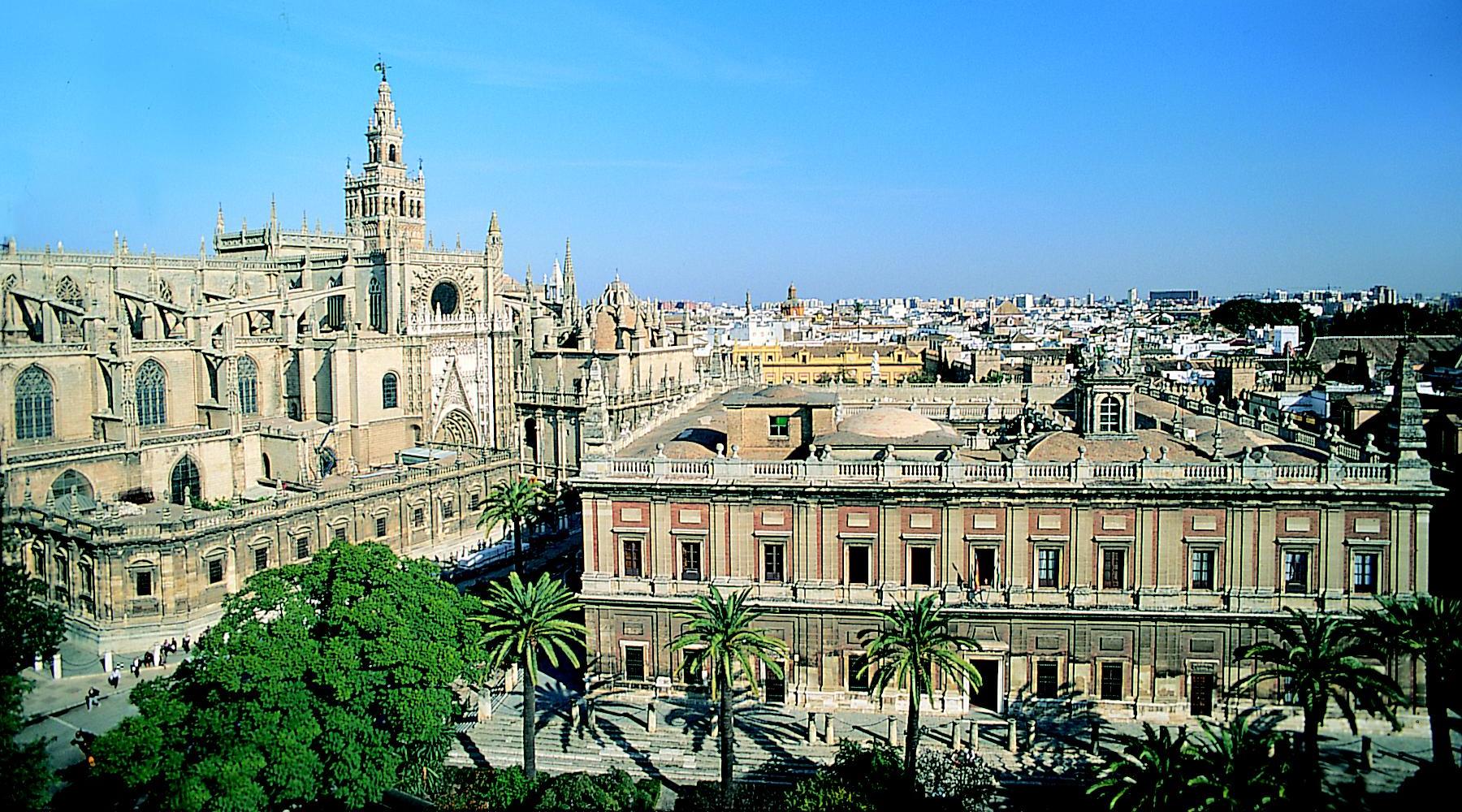 While the Archivo General de Indias in Sevilla remains the primary destination for scholars working on projects relating the Spain’s colonial empire, the collections infrequently receive the attention they deserve from historians north of the Río Grande. This, despite Kristen Block and Jenny Shaw’s proclamation that, “colonial records in the Spanish archives reveal a wealth of reportage” about moments in early American history for which few extant documents remain elsewhere.[1] In fact, Block and Shaw’s 2011 article, “Subjects without an Empire: The Irish in the Early Modern Caribbean,” forces a reconsideration of the contours of Anglo-Irish relations in the early Caribbean by reading Spanish and English language documents side-by-side. Uncovering the lived experience of Don Juan Morfa—an Irish translator for the governor of Santo Domingo and linchpin in the defense of the island against Cromwell’s Western Design—depended on reading documents housed in the AGI. Continue reading
Autumn Reads

“Valley of the Catawissa in Autumn,” Thomas Moran (ca. 1862)
Fall brings new early American titles to explore. Enjoy our Spring Reads 2015 list, too, and share your finds below!
The Week in Early American History
 It’s commencement season around the United States, so we wish a hearty congratulations to all of our readers (and our students) graduating this month. Now, straight on to the links!
The King’s Arms?
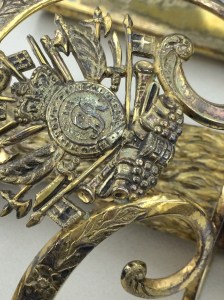 Paper soldiers on the march, and tin men tilting at swordpoint: these were the first battle ranks that Grenville Howland Norcross, aged 11 in Civil War Boston, led to glory. Between phantom invasions and replays of Antietam with “relics” received as gifts, Norcross gobbled up the military heroics popularized by the era’s dime novels. In a childhood diary that illustrates how “lowbrow” literature grabbed the imagination of a warsick homefront, Norcross chronicled his progress through the antics of Kate Sharp, Old Hal Williams, and Crazy Dan. By 1875, Norcross had outgrown his toy battalions, graduated Harvard, and stepped into a law career. An avid autograph collector, from his Commonwealth Avenue perch Norcross nurtured the city’s flourishing history culture, taking a leading role at the New England Historic and Genealogical Society, the American Antiquarian Society, and the Bostonian Society. He rose to serve as Cabinet-Keeper for the Massachusetts Historical Society, supervising the intake and cataloguing of major collections including, by April 1920, the library of historian Henry Adams. At the Society’s next meeting, held in the midafternoon of 10 June, Grenville Norcross reported on the Cabinet’s newest curiosity, which has proven a royal mystery ever since:
 The Junto