 If you missed previous posts in our new roundtable series on the history of childhood and youth, click here. Stop by Wednesday for the finale of this roundtable series!
Today we welcome Dr. Meg Eppel Gudgeirsson, expert in nineteenth-century U.S. religious history and childhood. She completed her PhD from the University of California, Santa Cruz in June 2016. Her dissertation, “Perfect Child, Perfect Faith: Raising Children in Nineteenth-Century Communities,” is a study of how four religious communities raised their children in an effort to embed their differing goals and identity in future generations. The United Society of Believers (better know as Shakers), Oneida Perfectionists, Church of Latter-day Saints (Mormons), and Berea abolitionists all created specific communities grounded in their unique interpretations of Christianity in an effort to reform and improve American life through challenging rural and bourgeois notions of family, gender, and race. She is currently working on expanding her research on Berea, exploring the role of children in the community’s goals of integrating education in the latter part of the nineteenth century. Dr. Gudgeirsson is a lecturer in the History Department at Santa Clara University, teaching courses on nineteenth and twentieth-century US, California History, and World History. Continue reading
 Today’s #ColonialCouture post is by Amy Sopcak-Joseph, a doctoral candidate in American history at the University of Connecticut. She is working on her dissertation, “Fashioning American Women: Godey’s Lady’s Book, Female Consumers, and Periodical Publishing in the Nineteenth Century.” Follow her @AmySopcakJoseph.
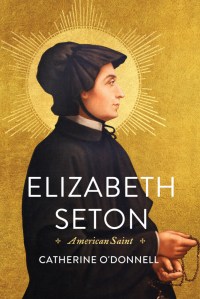 Today’s guest post is authored by Catherine O’Donnell. Her book,
  Working on material culture, my research has taken me to some interesting, if unexpected places. Last summer, it involved waiting outside Saint John’s Church in Portsmouth, New Hampshire, founded in 1732 as the Anglican Queen’s Chapel. I quickly ran inside to snap some pictures of a baptismal font between back-to-back Sunday services. The Saint John’s font is an impressive fixture, carved from marble in a Continental European baroque style. As a ritual object used in the sacrament of baptism, the font is hardly unusual, but its story is.
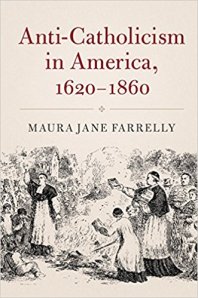 Whether John Higham was correct in describing anti-Catholicism as the “most luxuriant, tenacious tradition of paranoiac agitation in American history” is a matter of debate.


 The Junto