We are pleased to share this guest post from Michelle Orihel, an Assistant Professor of History at Southern Utah University. Dr. Orihel received her doctorate from Syracuse University and is currently working on a book manuscript about Democratic-Republican Societies in the post-revolutionary period.
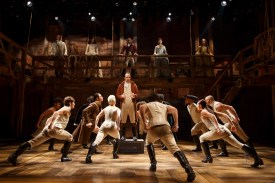 When I first listened to the Hamilton soundtrack last fall, the song “Farmer Refuted” caught my attention. The song stages a pamphlet war that began in November 1774 between Samuel Seabury, an Anglican minister in Westchester County, New York, and Alexander Hamilton, then an upstart New York college student. Their war of words over the First Continental Congress carried on for nearly four months and encompassed several tracts.[1] Continue reading
 How does a crony capitalist son of a whore, and a militarist pumped up by delusional aspirations of honor, grow up to be feted by liberal scholars? [*]
 In his now classic study of early nationalism, historian Benedict Anderson wrote “I propose the following definition of the nation: it is an imagined political community—and imagined as both inherently limited and sovereign. It is imagined because the members of even the smallest nation will never know most of their fellow-members, meet them, or even hear of them, yet in the minds of each lives the image of their communion…. Communities are to be distinguished, not by their falsity/genuineness, but by the style in which they are imagined….”[1] While Puritan society was not a “nation” in the sense that Anderson meant it, his reflections nonetheless are evident in Ric Burns’ documentary, The Pilgrims. Burns seeks not to merely retell the Thanksgiving story, but to understand why Plimouth Rock and the popular Thanksgiving story (much of which is inaccurate) is such a pervasive part of the American origins story.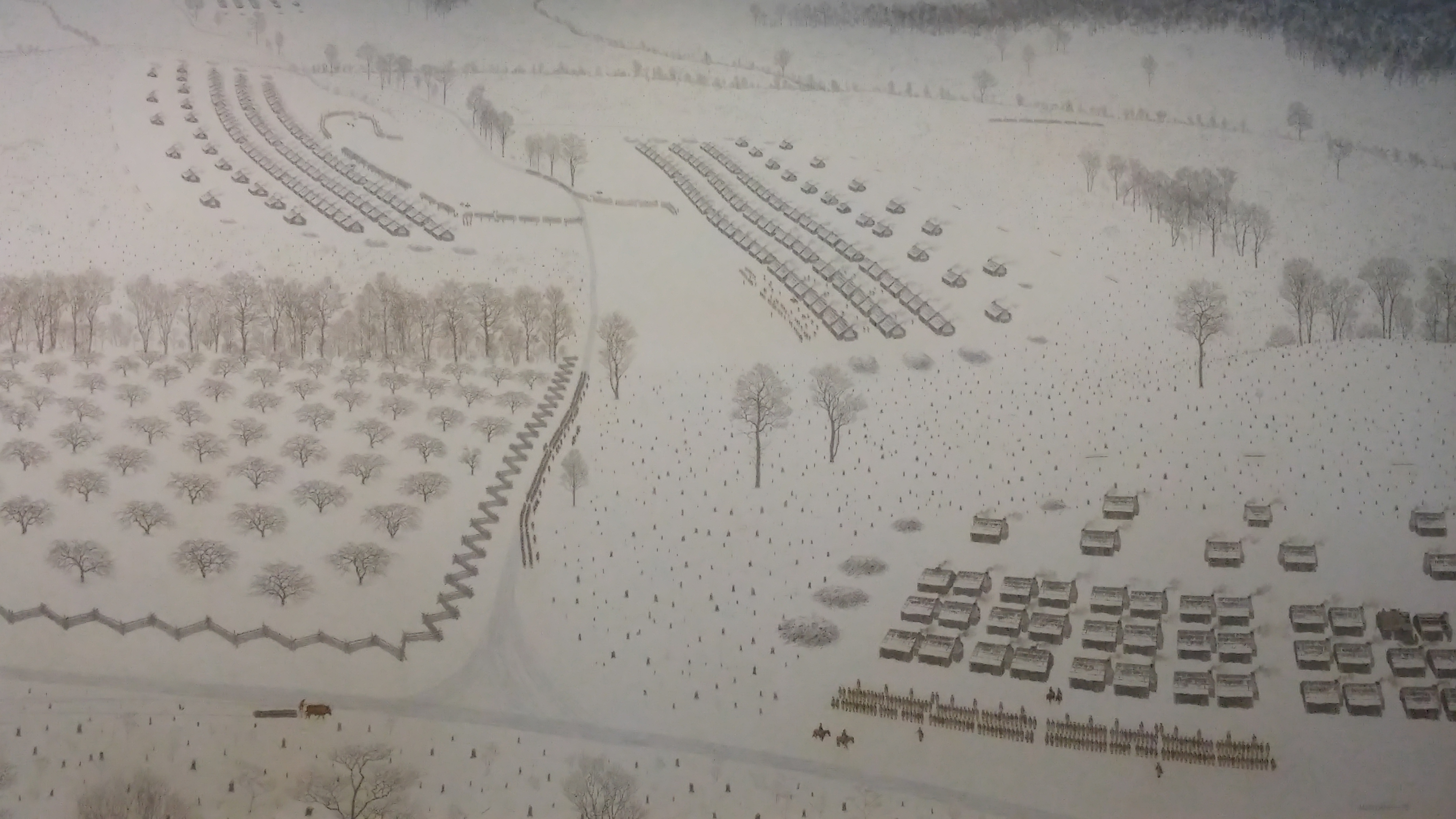
 Hip-hop is on Broadway, not just in a popular YouTube

 The Junto