Guest Post: Disaster, Death, and Distilleries

Today’s guest post comes from Jordan Smith, a PhD Candidate in Atlantic History at Georgetown University. His dissertation, “The Invention of Rum,” investigates the development and production of rum in the seventeenth and eighteenth-century Atlantic World.

Warning: This post contains graphic accounts of industrial accidents.
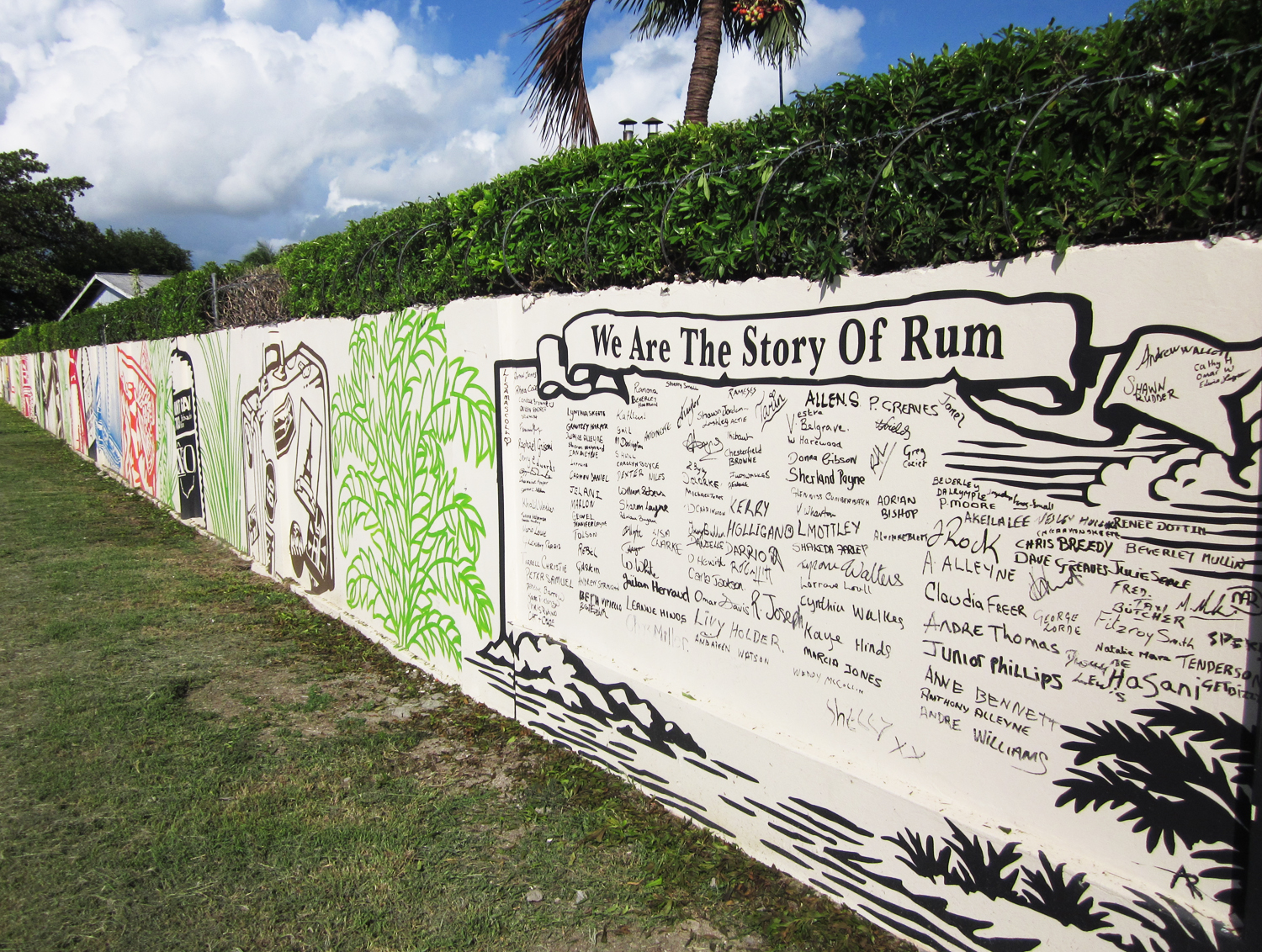
RumOn a recent research trip to Barbados, I stopped by the Mount Gay Visitors Center. There, between tastes of a variety of rums, tour guides regaled me with a heroic tale of Barbados’s place in the invention of rum. Afterwards, I was handed a brochure which proclaimed Mount Gay to be “the rum that invented rum.” The reasoning for this marketing strategy is simple enough—Mount Gay is one of many distilleries that makes a financial killing off of linking their product to a happy history of ingenuity and originality. Yet accounts of eighteenth-century distillery disasters suggest that this invention and innovation of rum was often undergirded by shocking violence.   Continue reading
When Sources Talk Back

When Sources Talk Back

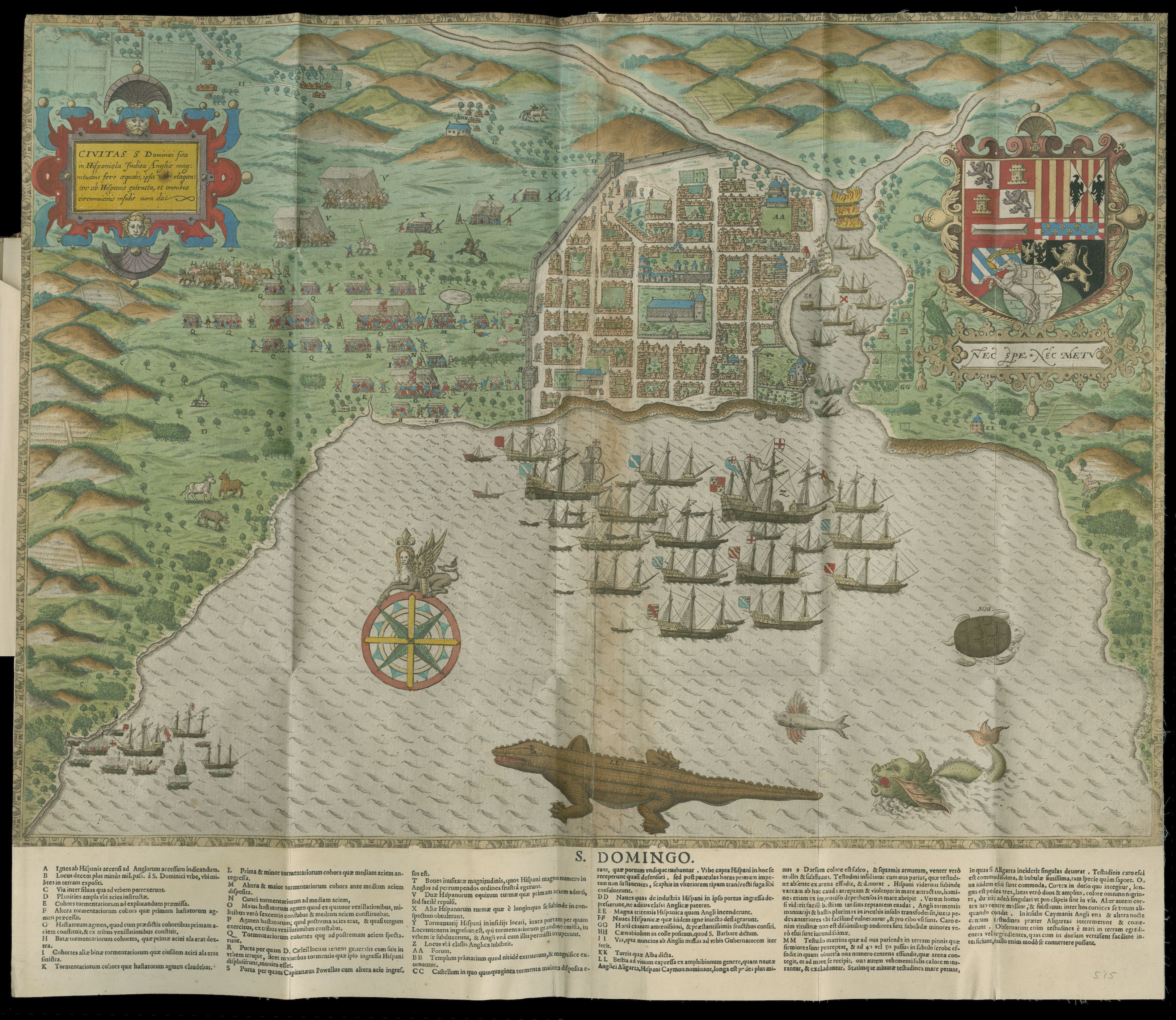
Boazio_Battle-of-Santo-Domingo

How do we select the sources we use? How do we approach those sources once we’ve selected them? What does that process do to the stories we eventually tell about the past? And, what happens when our sources disagree with the choices we’ve made?

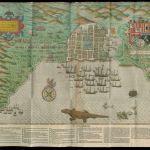
That last question is one that historians working on the early modern period rarely have to grapple with – after all, the individuals who wrote the letters, manuscripts, and account books that we read have been dead for a very long time. And, it is an issue that I’ve blithely ignored until I read Manuel Gonzalez Pallano Tinoco’s “Narrative of the Invasion of La Española, Santo Domingo, which the English Attempted in 1655.” It is near the end of Captain Tinoco’s detailed description of the failed English invasion of Spanish Santo Domingo that this long-deceased chronicler called out future historians who would use his narrative on any but his own terms. And, his reasoning was compelling enough to make me question my own methodology in using his history in my work. Continue reading

Murder!: Entangled History, String Theory, and Narrative

Murder!: Entangled History, String Theory, and Narrative

caribmap

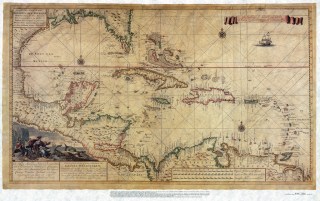
On a dark and stormy night in July of 1729, a vicious murder occurred in the port city of Veracruz. Okay, I don’t actually know if it was stormy on that night, nor was the murder particularly vicious but, for narrative effect, bear with me. On the evening in question, a Dominican priest accompanied by an entourage of the town’s residents walked to the trading factory of the British South Sea Company to pay the factors a visit. According to Inquisition records, as the group approached the factory, shots were fired from within the building, and the Dominican priest fell dead. The man who fired the fatal shots—William Booth[1]—claimed that he had not recognized the priest and fired in self-defense. As Booth argued, marauders frequently roamed the streets after dark and he assumed the visitors wanted to rob him. Booth was sentenced to five years hard labor in North Africa—a veritable death sentence—and the South Sea Company’s factory in Veracruz barely survived the incident, which reached the diplomatic tables of Europe.[2] Continue reading

Retelling “A Tale”: An Interview with Richard S. Dunn

Dunn Roundtable CoverWrapping up our roundtable review of A Tale of Two PlantationsThe Junto chats with Richard S. Dunn about microhistory as a “healthy antidote to top-down history,” and the archival surprises that reshaped his work. If you are near Harvard University on February 5th, come and hear more about the project. Continue reading

Archives, Representativeness, and the Inner Life of Slaves

Dunn Roundtable CoverWhen Walter Johnson published Soul by Soul in 2001, he unleashed a critical analysis of the inner life of slavery.[1] More than just an exploration of the plantation complex, or even the indignities and tragedies of slavery, Johnson elucidated how the buying and selling of black bodies affected (in Johnson’s argument, corrupted) the participants in slavery. Johnson had identified a critical hole in the historiography. And now, Richard S. Dunn’s newest contribution to the scholarly discourse, A Tale of Two Plantations, compares life at two plantations—Mt. Airy (MD) and Mesopotamia (Jamaica)—to understand how slavery affected these two plantations, and conversely, how conditions on these plantations affected the enslaved.

Continue reading

Roundtable: Richard S. Dunn, A Tale of Two Plantations

Roundtable: Richard S. Dunn, <i>A Tale of Two Plantations</i>

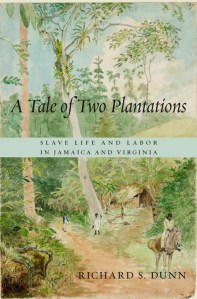
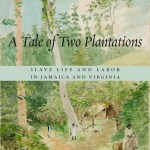
Dunn Roundtable CoverThis week The Junto is dedicated to a roundtable review of Richard S. Dunn’s A Tale of Two Plantations: Slave Life and Labor in Jamaica and Virginia (Cambridge: Harvard University Press, 2014). Professor Emeritus at the University of Pennsylvania, Dunn’s previous publications include one of the seminal texts on Caribbean slavery and sugar plantation agriculture, Sugar and Slaves: The Rise of the Planter Class in the English West Indies, 1624-1713 (Chapel Hill: University of North Carolina Press, 1972). Dunn’s newest book is an unflinching study of Afro-Caribbean and antebellum U.S. slavery in the final decades of both systems. Continue reading

The Junto Guide to Early America at #AHA2015

/home/wpcom/public_html/wp-content/blogs.dir/4d8/41615394/files/2014/12/img_0422.pngHappy New Year from all of us at The Junto! We hope you had a restful and enjoyable holiday break. For historians, the turn of the calendar to 2015 means that many of us are en route to the AHA Annual Meeting in New York City. Having grown up in the area, I’d like to welcome you all to New York, where the bagels and pizza are really just better, and we stand “on line” for coffee, not “in line.”
Continue reading

Big History: Weighing the Benefits and Drawbacks of a Comparative Project

Casey Schmitt is a PhD candidate in History at the College of William & Mary, where she is writing a dissertation on the Iberian roots of seventeenth-century Anglo-American slave law. This is her second guest post, following her first on the value of storytelling and the use of audiobook primary sources in the classroom here.

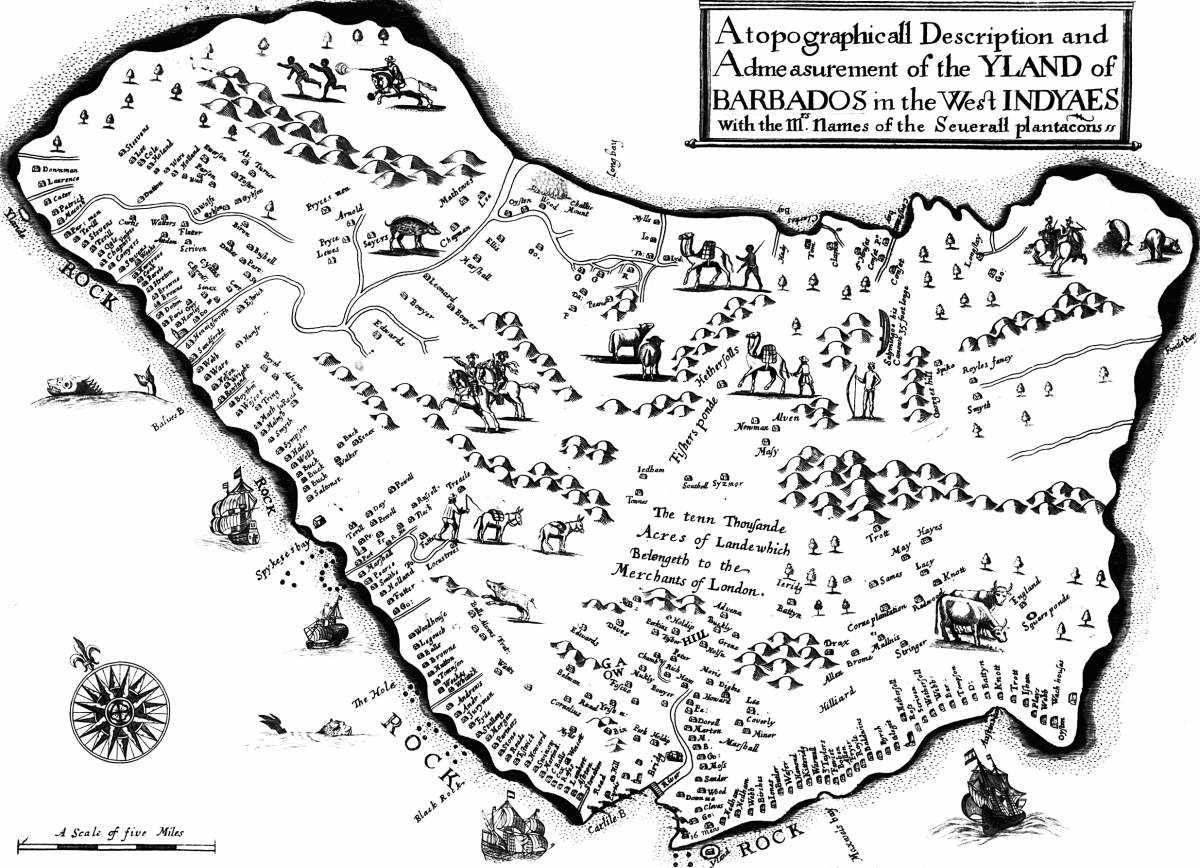
barbadosmapA little over a year ago, I switched research interests from the study of eighteenth-century contraband trade between Jamaica and Cartagena de Indias to a comparative study of the codification of slave law in the greater Caribbean. Admittedly not too drastic of a change, I was nonetheless daunted by moving from a historiography containing a select number of significant works to a field where innumerable scholars have dedicated entire careers. Like any graduate student, I began working through the library stacks here at the College of William and Mary, seeking answers to what I thought would be easy questions: Were the legal regimes of European slave societies shaped by their interactions with other slave societies in the Caribbean? Were English slaveholding practices modeled off of successful Portuguese or Spanish examples? Why were there so many institutionalized efforts to codify slave law in the seventeenth century and did these separate legal dialogues unfold in conversation with one another? As you can probably guess, none of these questions have proven as easy to answer as I thought. Continue reading

Slavery and Reparations: A Voice from Barbados and a Report from Ghana

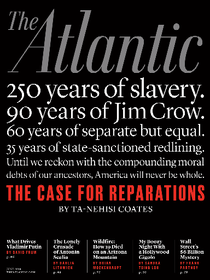
atlanticYou’ve probably heard about Ta-Nehisi Coates’s powerful Atlantic cover essay, “The Case for Reparations,” which appeared two weeks ago and has ignited a nationwide political conversation about the legacy of slavery and racial oppression in the United States. The level of debate among Coates’s many academic admirers and critics—including political commentators on both the Left and the Right—has been very high. Continue reading

Articles of Note: Spring and Summer 2013

Many months ago, I posted the first of what I hoped to be a quarterly series highlighting recent articles I enjoyed, and inviting readers to do the same. Sadly, life got in the way, and so I have a bit to make up. As a recap for this roundup’s purpose: there are so many journals publishing quality articles in the field of early American history that it is difficult, if not impossible, to keep up. So this list serves as a reminder that you need to catch up on new issues, a identify articles I found especially important, as well as a chance to highlight the work of young scholars and friends. Just because an article doesn’t make the list doesn’t mean I didn’t like it—in fact, I am way behind on my own reading—but it is an invitation to list your own favorite recent articles in the comments below.

The following articles were published between March and September, and obviously reflect my own interests and background. Also, remember the fantastic articles in the special WMQ issue on families and the Atlantic world that I highlighted a few months ago. Continue reading