 Today, The Junto interviews our own Joseph Adelman about his new book Revolutionary Networks: The Business and Politics of Printing the News, 1763–1789. Jordan Taylor’s review of the book appeared yesterday.
Junto: Let’s start off on a hostile note: Why should anyone care about early American newspaper printers?
JMA: Well if you’re going to be hostile, I’m tempted to just say “because I said so.” But assuming that will work about as well here as it does with my kids, let me make the case as best I can. At its core, Revolutionary Networksargues that the material realities of texts matters, and that scholars have tended to elide or simply stipulate their importance. Or, to put it in historiographic terms, we need to integrate book history methods more fully into our understanding of politics in Revolutionary America. So when I started doing research for the book when it was a dissertation, I focused on the production and circulation of texts and the impact those processes had on how American colonists and British officials made political decisions.
Continue reading
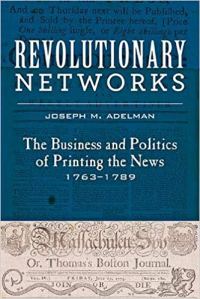 Joseph M. Adelman,
  Today’s #ColonialCouture post is by Amy Sopcak-Joseph, a doctoral candidate in American history at the University of Connecticut. She is working on her dissertation, “Fashioning American Women: Godey’s Lady’s Book, Female Consumers, and Periodical Publishing in the Nineteenth Century.” Follow her @AmySopcakJoseph.
 A few months ago, a New York Times investigation
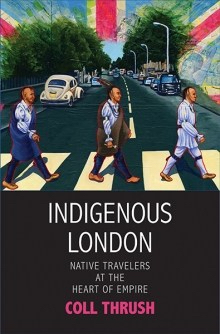 Wander through the
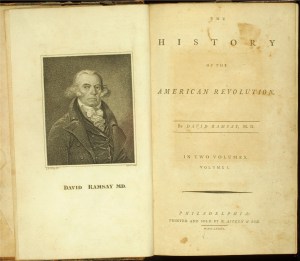
  Good morning, Junto readers! As we head into July 4th weekend, what better city to visit than Philadelphia? Today, we discuss the exciting intellectual opportunities that accompany the curation of printed collections, with Dr. David Gary, Curator of Printed Materials at the American Philosophical Society.

 The Junto