Today’s guest post comes from Steven Elliott, a PhD candidate in American Military History at Temple University. Elliott (@EastJerseySteve) is writing a dissertation about the American War of Independence, tentatively titled “The Highlands War: Soldiers, Civilians, and Landscapes in Revolutionary New Jersey.” He has worked for seven years as a historical interpreter at Morristown National Historical Park in Morristown, New Jersey, which is the subject of this guest post.
“The chief aim of interpretation is not instruction, but provocation,” Freeman Tilden, NPS
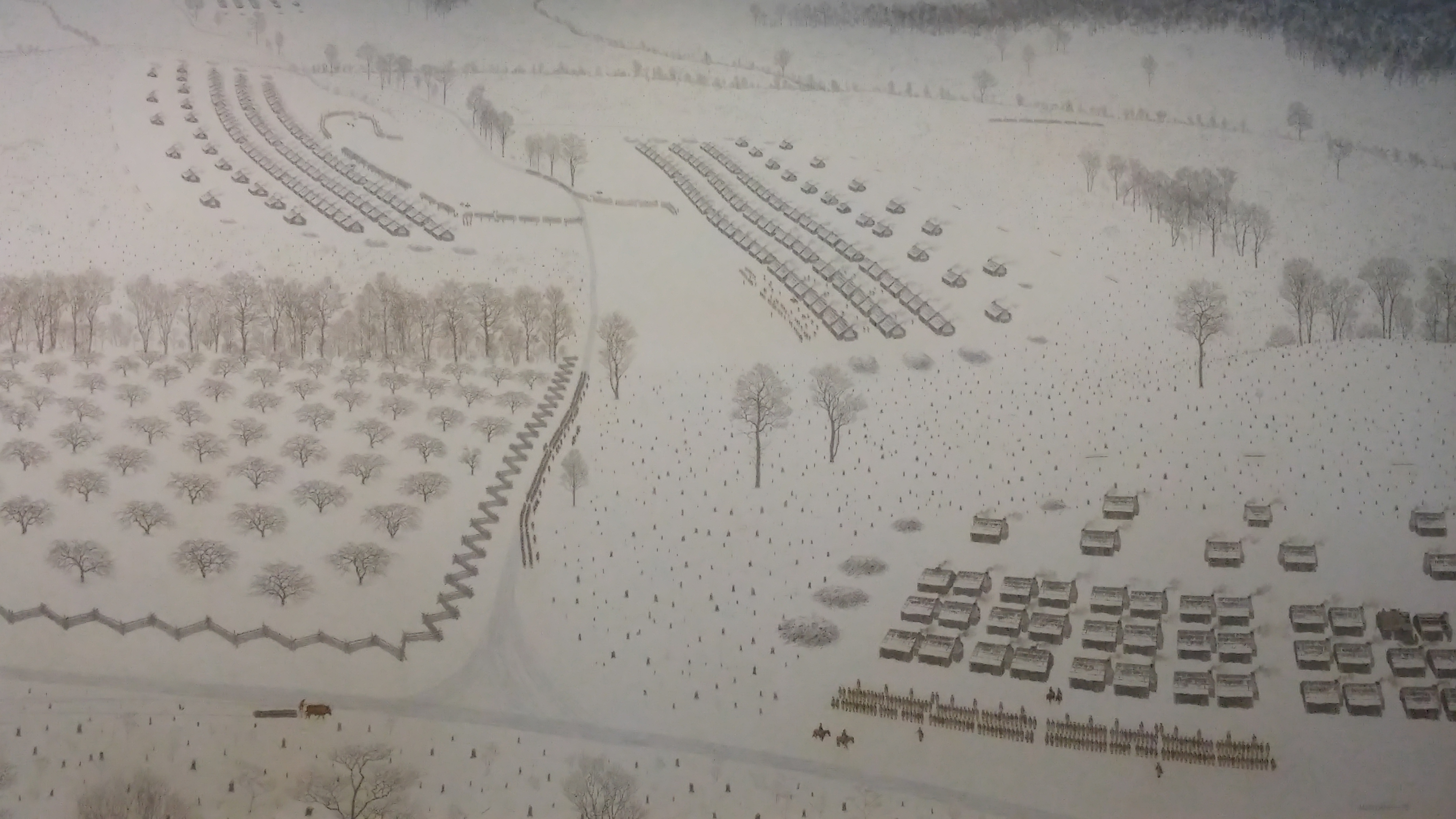
A depiction of the 1780 winter encampment at Morristown, courtesy of Morristown National Historical Park Collection.
Despite Tilden’s call to action, provocative interpretation at many National Parks remains a challenge, especially for Revolution-era sites. As many Americans learn (or re-learn) their history at public history venues, rather than through books or schooling, the Park Service can play an important role in bringing challenging interpretations to popular audiences. Yet, this can be difficult for Revolutionary-era sites, many of which were created to focus on “heroic narratives” emphasizing military campaigns and political leaders. In this post, I reflect on my personal experiences in attempting to challenge visitors’ assumptions about the Revolution, as a seasonal park guide at Morristown National Historical Park in Morristown, NJ. Continue reading


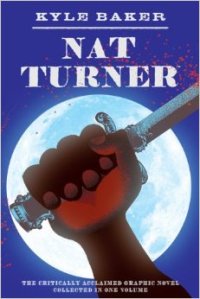 As anyone who has taught the history of slavery knows, it can be challenging. It is an important, but also emotionally loaded subject that can provoke spirited responses from students. Some students are resistant to discussing what they view as an ugly event in the past. Others may become defensive. And, for others, the history of slavery may be personal. The challenge becomes presenting the history in a thoughtful way that will engage students, but does not whitewashing history. Other traumatic events—genocide, war, etc.—can present similar pedagogical challenges.
 Welcome to another edition of This Week in American History. It has been a busy, yet troubling two weeks.
 Paper soldiers on the march, and tin men tilting at swordpoint: these were the first battle ranks that
 The Junto