 The past two weeks have been busy ones in Early American History! Continue reading
Tag Archives: Slavery
A Junto Birthday Party: Whitefield at 300 Roundtable
Today’s guest poster, Thomas S. Kidd, is professor of history at Baylor University and the author, most recently, of George Whitefield: America’s Spiritual Founding Father (New Haven: Yale University Press, 2014).
A Long Afterlife (Jessica Parr)
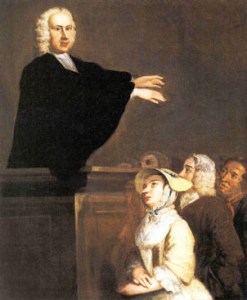 Those familiar with the first great awakening will undoubtedly recognize George Whitefield as a key figure of eighteenth century evangelical culture in Britain and its American colonies. Like many associated with the Methodist movement in Whitefield’s time, the prolific preacher and publisher saw himself as an Anglican in discussion with the Church of England about reform and an allowance for a broader religious experience. However, his theology, the new birth doctrine, the gathered church, etc., all alienated Whitefield from the Anglican hierarchy within the first few years of his missionary career.
Winter Reads
Just in time for your holiday shopping list, here’s our preview of new titles—share your finds in the comments! Continue reading
The Week in Early American History
Whether writing or grading term papers has kept you from all things early American, here’s a quick recap of some of the top news stories of the week(s)!
On to the links! Continue reading
Guest Post: Keeping the “Human” in the Humanities
Hannah Bailey is a PhD candidate in History at the College of William & Mary, where her research examines the interconnectivity between developing notions of race and the expansion of the African slave trade in the early modern French Atlantic. This is her second guest post at The Junto. Be sure and read her earlier post on French archives and entangled histories here.
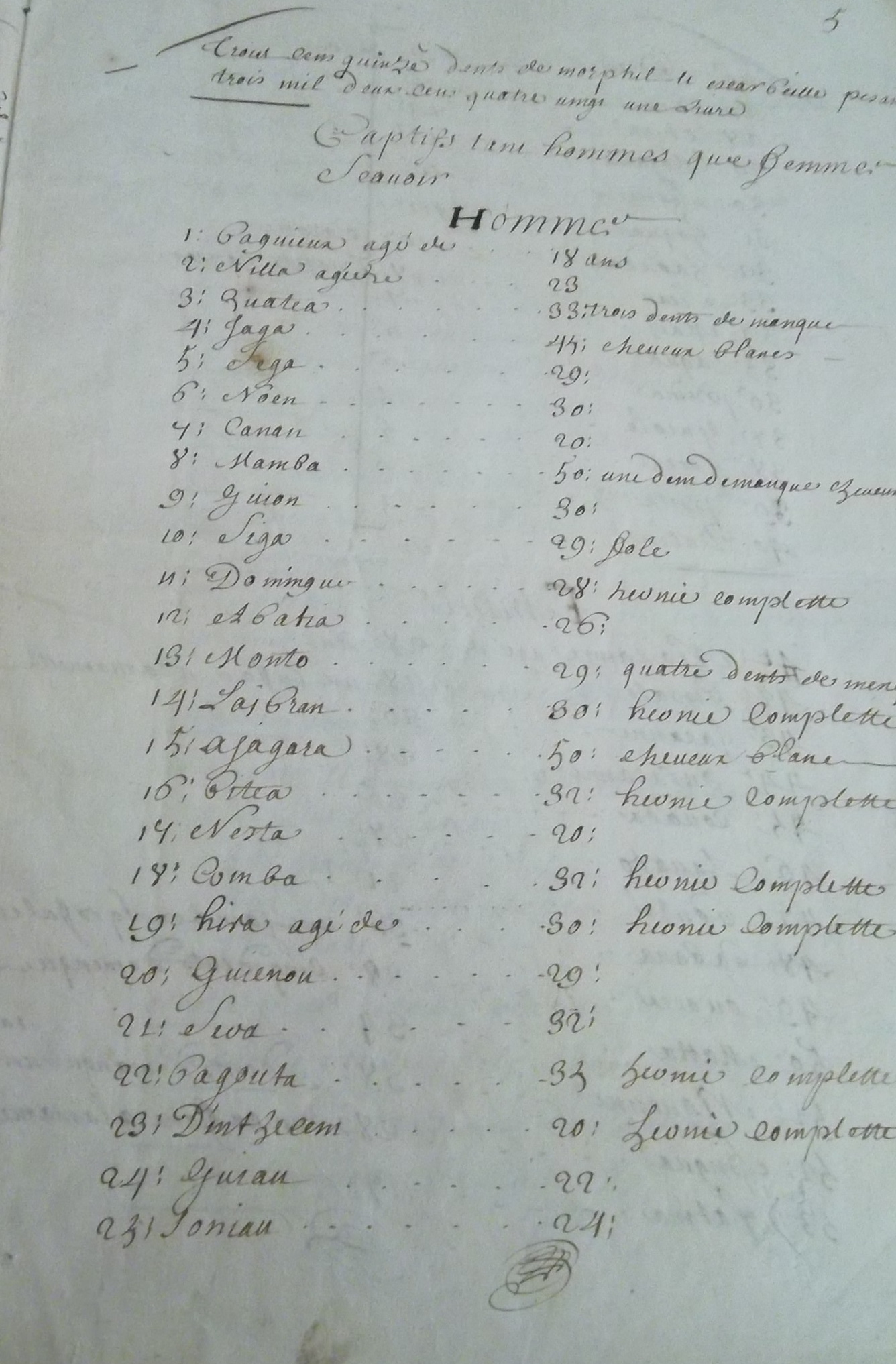 As someone who is also leaping into an entirely new historiography in preparation for dissertation writing, I could commiserate with Casey Schmitt’s brilliantly astute post on the costs and benefits of comparative projects. It can be terrifying to move from a historiography with which one is relatively comfortable to, as she puts it, “a [new] field where innumerable scholars have dedicated entire careers.” I took one undergraduate class on West African history (which was a survey course that occurred five years ago), and yet my dissertation focuses heavily on early modern histories of West Africa and the Atlantic networks of knowledge (and ignorance) that shaped them. The body of exemplary secondary source material on West Africa is vast, and working with it for the first time is more than a little daunting. Continue reading
Guest Post: “Fear in the Revolutionary Americas” Conference Recap
Elizabeth M. Covart is an early American historian, writer, and podcaster. Presently she is working on her first book manuscript about cultural community creation in Albany, New York, 1614-1830. Liz also writes a practical blog about history and how to make it more accessible at Uncommonplacebook.com and her new podcast, “Ben Franklin’s World: A Podcast About Early American History,” seeks to bring the work of academic and public historians to history lovers everywhere.
 October 31, 2014. On the most fearsome day of the year, Tufts University convened “Fear in the Revolutionary Americas, 1776-1865,” a one-day conference designed to explore the question: What role did fear play in the revolutions that occurred in North and South America between 1776 and 1865? Continue reading
The Week in Early American History
Welcome back to the week(s) in early American history! Continue reading
Big History: Weighing the Benefits and Drawbacks of a Comparative Project
Casey Schmitt is a PhD candidate in History at the College of William & Mary, where she is writing a dissertation on the Iberian roots of seventeenth-century Anglo-American slave law. This is her second guest post, following her first on the value of storytelling and the use of audiobook primary sources in the classroom here.
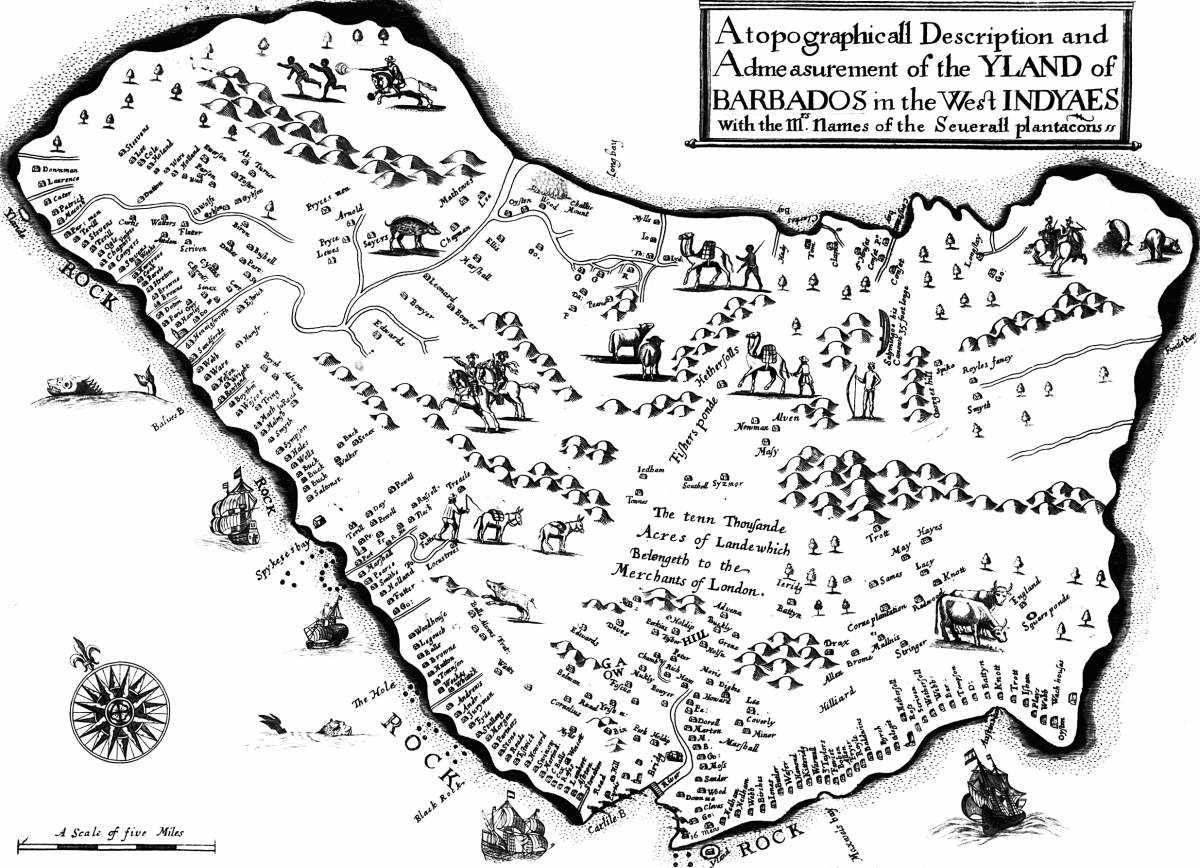 A little over a year ago, I switched research interests from the study of eighteenth-century contraband trade between Jamaica and Cartagena de Indias to a comparative study of the codification of slave law in the greater Caribbean. Admittedly not too drastic of a change, I was nonetheless daunted by moving from a historiography containing a select number of significant works to a field where innumerable scholars have dedicated entire careers. Like any graduate student, I began working through the library stacks here at the College of William and Mary, seeking answers to what I thought would be easy questions: Were the legal regimes of European slave societies shaped by their interactions with other slave societies in the Caribbean? Were English slaveholding practices modeled off of successful Portuguese or Spanish examples? Why were there so many institutionalized efforts to codify slave law in the seventeenth century and did these separate legal dialogues unfold in conversation with one another? As you can probably guess, none of these questions have proven as easy to answer as I thought. Continue reading
Conference: The Antislavery Bulwark: The Antislavery Origins of the Civil War
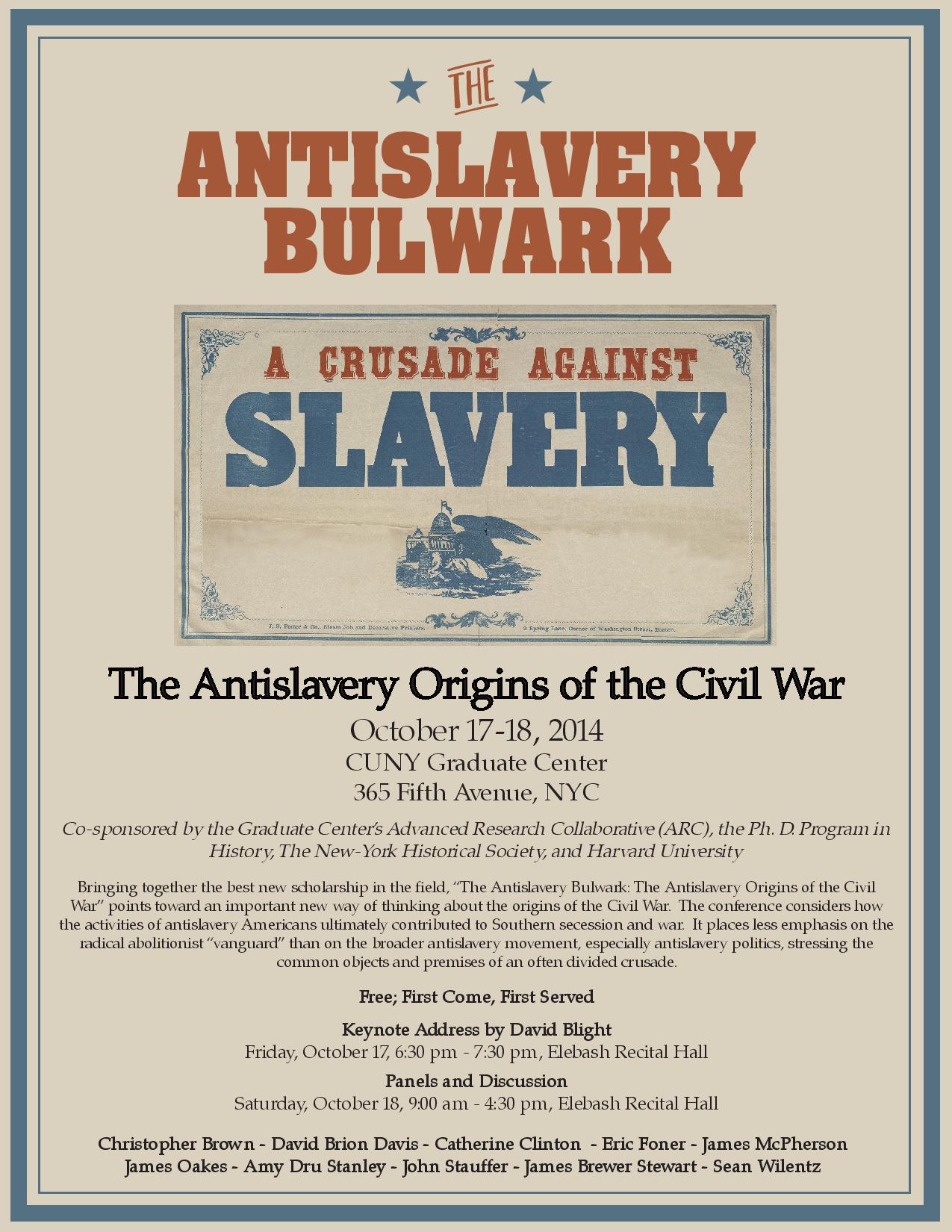 In two weeks the CUNY Graduate Center will be hosting an all-star conference “The Antislavery Bulwark: The Antislavery Origins of the Civil War.”[1] This conference, co-organized by the Graduate Center, Harvard University, and the New York Historical Society, seeks to trace origins of the antislavery political movement from the eighteenth century to its apotheosis in the thirteenth and fourteenth amendments to the Constitution. Continue reading
Object Lessons
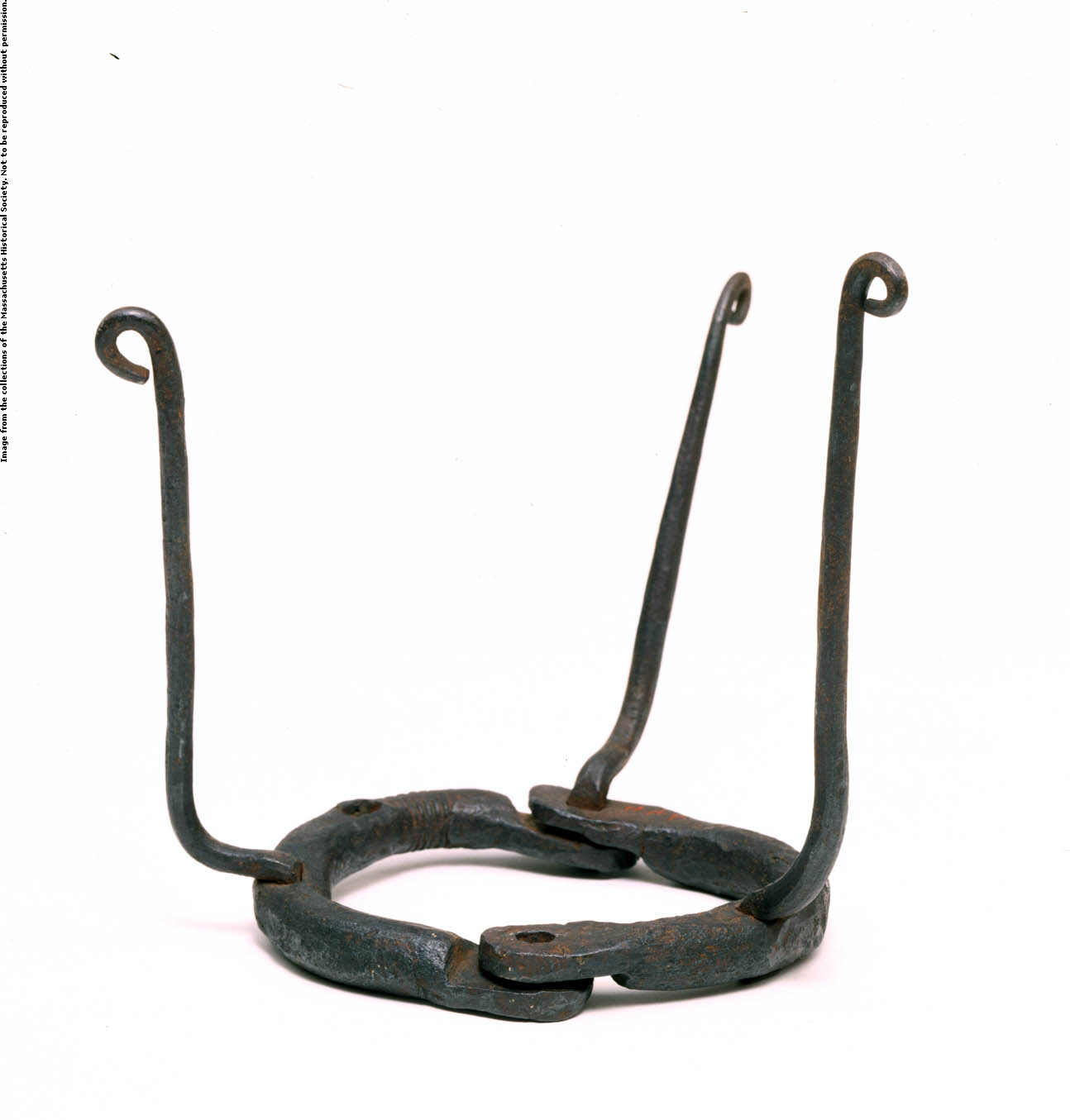
Iron Yoke Slave Collar
John A. Andrew Artifact Collection, MHS
Questions first ignited in a comprehensive exam room have an electric way of rippling through your whole career, whether you’re teaching in a university classroom and/or in the realms of public history. Take, for example, a standard query about nineteenth-century material culture: How would you tell a history of the American Civil War in five objects?
 The Junto