
Crossing the bar of Gallinas River, near Sierra Leone and Liberia. During the 1820s and 1830s, slave ships stopped at the mouth of the Gallinas River, to collect slaves. Image taken from The illustrated London News. Originally published/produced in London, 1849. British Library Images Online, Shelfmark P.P.7611.237, filename 080997
This summer I started research for my second book project, which I will admit feels a bit ridiculous when my first book project is still in process. I’m blithely ignoring this problem at the moment. In brief, the project, currently-horribly-titled “Aquatic Foodways” asks two related questions: 1) Where, why, and how did people fight over food when crossing water in the early modern Atlantic, and 2) What happened when people disembarked and interacted with indigenous peoples as they searched for sustenance? After a month of preliminary research at the British Library this summer, I’m decidedly more interested in the second question, but have a sense that I’ll need to answer the first question before proceeding forward. Continue reading
 Constitution Day Edition.
 It was a scene that has been repeated in several American cities. In 2003, during an infrastructure project, 13 coffins containing unidentified human remains were found in Portsmouth, NH. Eight of the remains were exhumed for examination and confirmed as being of African descent, and later as part of a 1705 African Burying Ground, once on the city’s outskirts. As Portsmouth expanded, burying ground was built over and largely forgotten. Five additional sets of remains were found in 2008 during an archaeological dig on the site. Experts believe that 200 or more burials could have taken place in this 1705 African Burying Ground.[1]
  We talk a lot about accessibility in historical writing. Many of us worry whether the academic historical profession has much to say to a broad popular audience.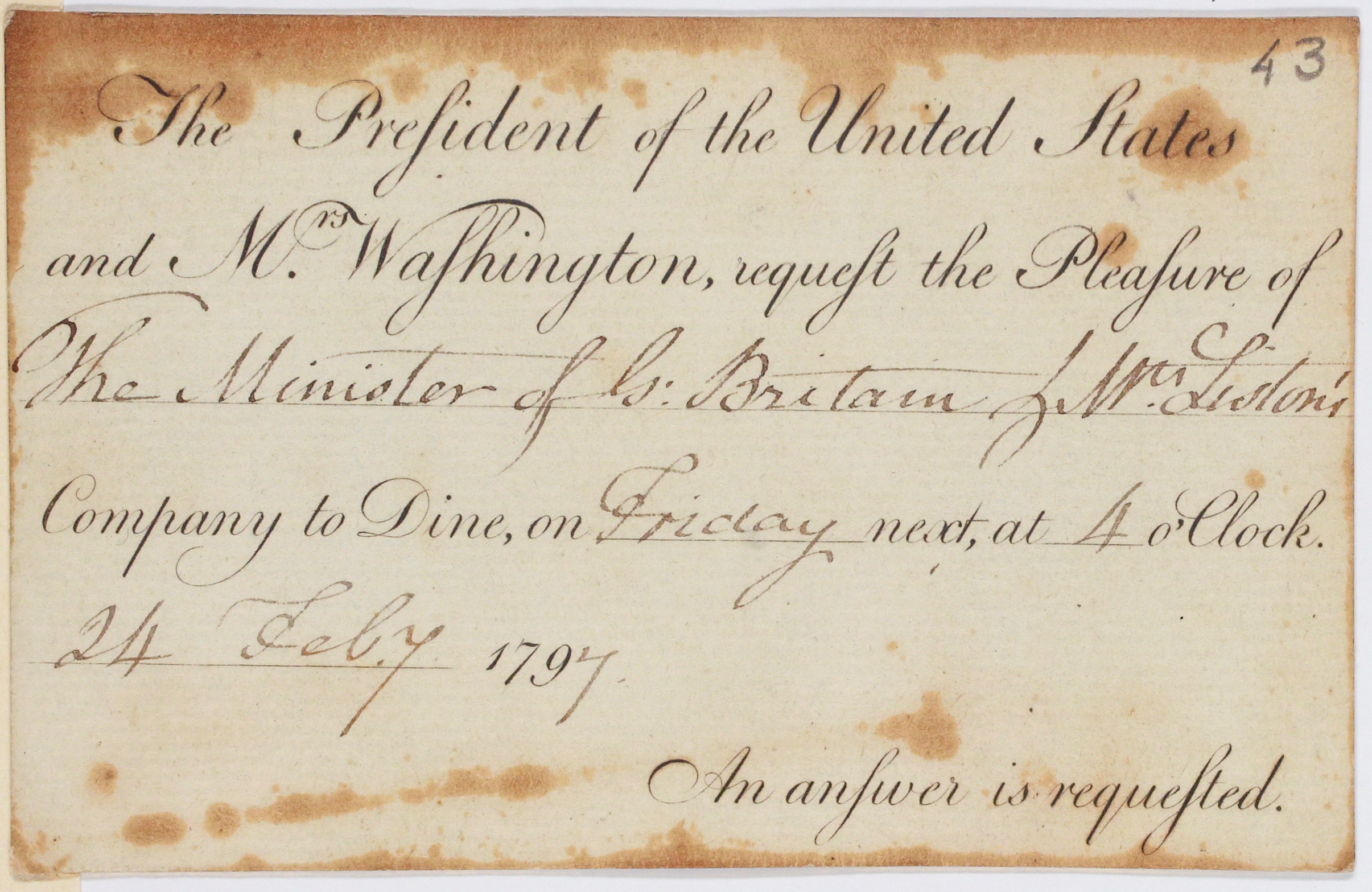
 Last night, I had a dream about waking up at some indeterminate time in the future, not too distant but not very close either. It was one of those kinds of dreams where you find yourself in a world that is so clearly different from your own, yet at the same time seems strikingly familiar. I was still my same-old early Americanist self. But where was I? Well, that was part of the beauty of it. It didn’t matter. I found myself in an early Americanist digital universe of the future. Not just a blogosphere. Not just various social media platforms. Not just online magazines. But an integrated digital universe, one in which access and participation in all the appurtenances of the institutional life of the profession—conferences, working groups, publishing—had been prioritized and maximized and the restraints of distance and resources minimized. And here’s what it looked like…
 Here’s your seasonal roundup of early American art on exhibit. Add your finds below!
 The Junto
