
Image credit: legogradstudent.tumblr.com
I wrote lots of recommendation letters for students this summer, probably because last year was the first year that I taught students in their final undergraduate year, and many of them are looking for or have recently found jobs. I always die a little inside when I read or hear the word “employability,” because I think it’s a jargony term that seems to reiterate the point that a university sells a degree to its customers, the students. I do not think that education should be viewed as such a service, but neither do I think that it’s responsible to entirely eschew discussions of marketable skills that students can mention in their pre- and post-graduate job searches. Not all of them will become professional historians, and given the state of the academic job market, that’s okay! I spend time at the start of each term, in class and in my syllabi, explaining why I think it’s important for students to participate in class discussion. One of my key points is that a student’s class contributions are something that I can and do mention in my recommendation letters. Having spent the summer writing letters for recent graduates I know that I’ve mentioned their contributions in every single letter I’ve written. Lately, my feelings have gone beyond believing that students should participate: I think students should lead discussion. Continue reading



 I recently had to cancel a trip to a conference. My panel is continuing without me; the chair has graciously offered to read my paper in my place. Partly because of this, I am doing something I haven’t done before: putting together a companion webpage for the presentation.
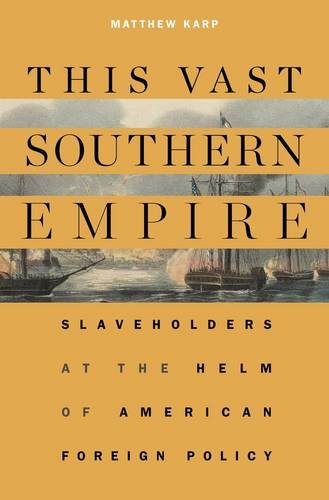


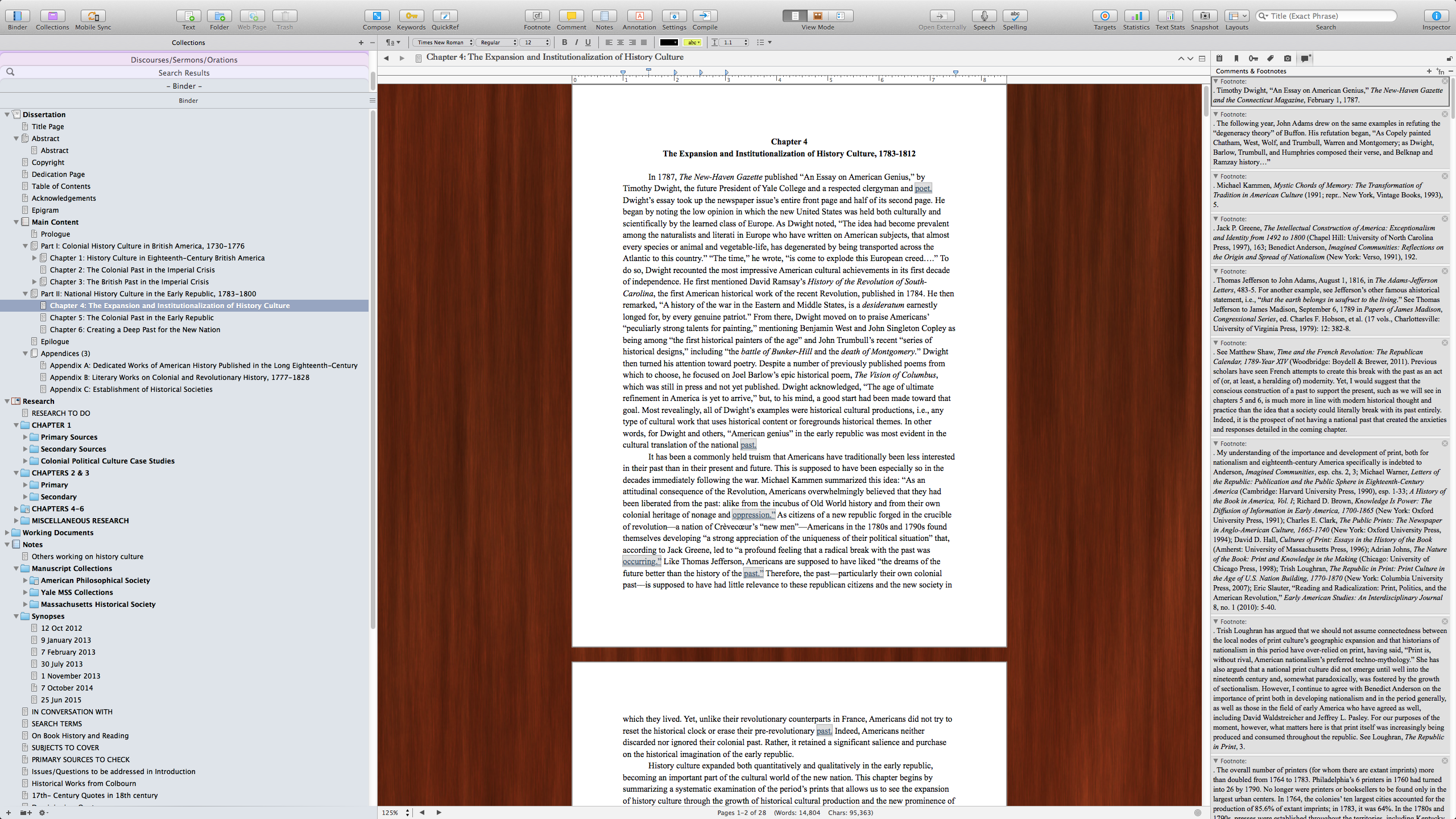
 It’s a fun time for me to be a Juntoist. I joined the blog while I was ABD, on the brink of defending my dissertation. I had thoughts about research and writing, many untested theories about teaching, and
 The Junto