
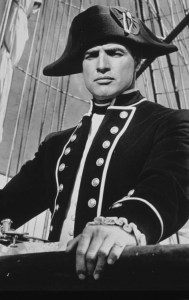
 A few years ago, I was delivering my first lecture to a hall full of well over one hundred students. Thinking I would impress them with my popular culture knowledge, I included a reference to Captain Jack Sparrow as an example of the type of piracy I did not research, and one of the many forms of piracy in which they should not participate. Crickets ensued. Thankfully, my follow-up joke about the crickets landed better, but this left me all the more surprised when a student exiting the lecture swung by the front desk and made a quick reference to Marlon Brandon being a better sailor than Johnny Depp. Embarrassed though I am to admit, it was a reference I did not understand until about a month ago. Continue reading
 The NEH Doing Digital History Institute took place at the George Mason University School of Law, over two weeks in July. The primary instructors, Sharon Leon and Sheila Brennan conceptualized the Institute as a means to aide mid-career scholars to learn digital tools both to serve as “ambassadors” for DH, and also because digital tools can allow historians to ask new research questions of sources. [1] This Institute in part, answers calls made by William Cronon, Cameron Blevins, and others.[2] Even as the interest in Digital History grows, there still remains the challenge of accessing digital history training for those outside of elite research universities. There is also a need to expand the number of historians who are qualified to peer review digital projects and to assess them in tenure portfolios. [3]
  On December 8, 1747, Gov. George Clinton (1686–1761) told a British statesman that the Assembly of New York “treated the person of the Governor with such contempt of his authority & such disrespect to the noble family where he had his birth that must be of most pernicious example.” He thought he might have to “give it [i.e., his position] up to a Faction.” The extant copy of this letter, held within Clinton’s
  A Workshop in Canadian International History
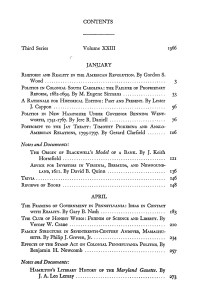 1966 was a transformative year in popular music. The Beatles released Revolver; Dylan put out Blonde on Blonde; and the Beach Boys dropped Pet Sounds. Even fifty years later, those three albums sit atop many respectable lists of the best all time albums. 1966 was also a transformative year in early American history. Fifty years later, it gets my vote for one of the top 5 most historiographically innovative years the field ever had.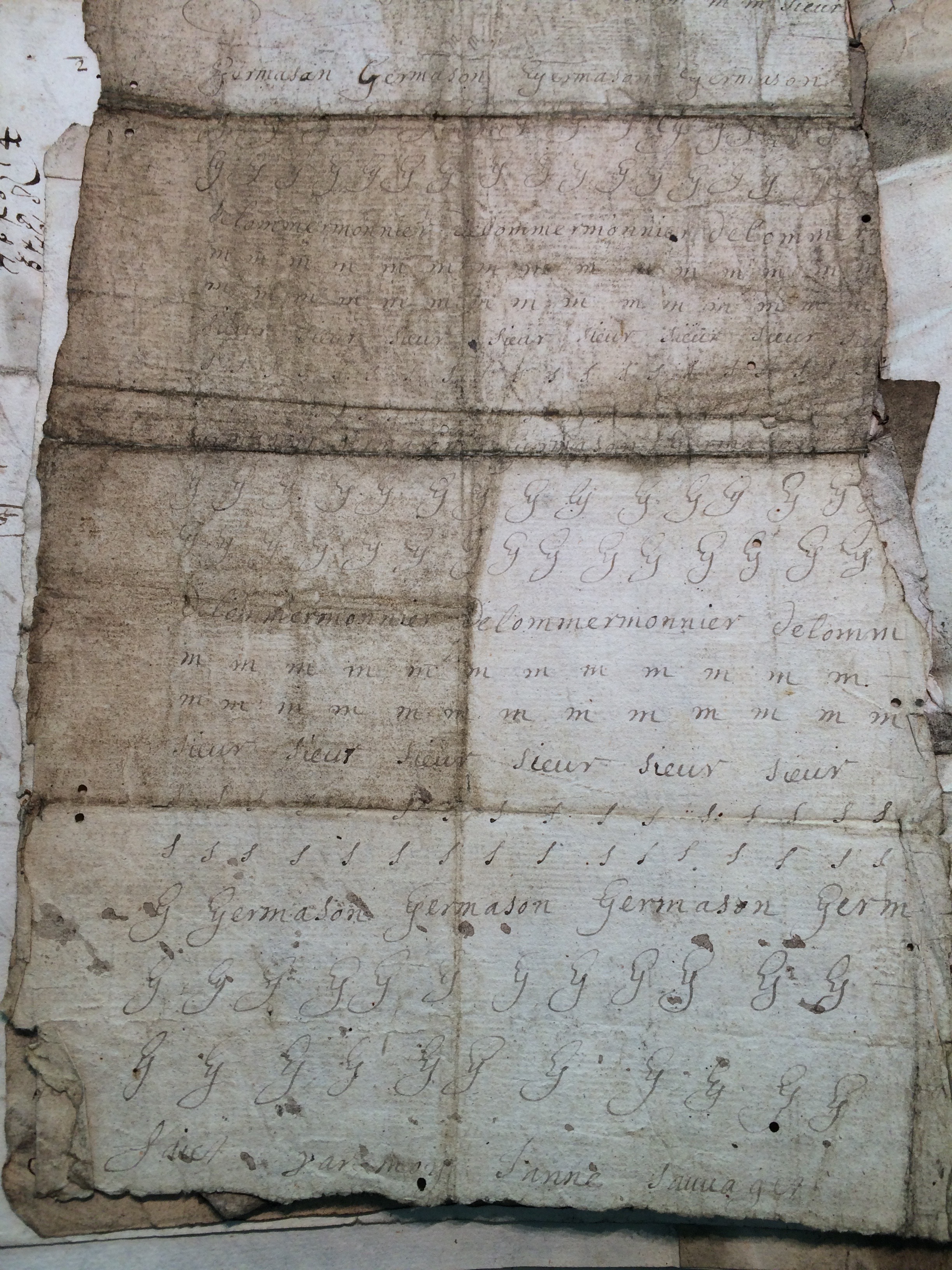
 The Junto