Daniel Livesay, Children of Uncertain Fortune: Mixed-Race Jamaicans in Britain and the Atlantic Family, 1733-1833 (Chapel Hill: University of North Carolina Press published for the Omohundro Institute of Early American History and Culture, 2018).
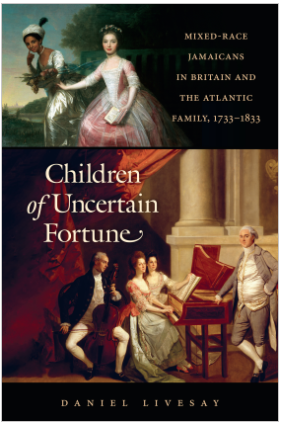 A central thread running through Daniel Livesay’s Children of Uncertain Fortune is deceptively simple: Atlantic families structured the development of ideologies surrounding race in the British empire during the long eighteenth century.[1] Woven through the book, however, is a richly nuanced exploration of what terms like Atlantic, family, race, and empire meant and how understandings of those terms changed over a pivotal hundred-year period starting in the 1730s. Through institutional records and family papers produced on both sides of the Atlantic, Livesay identifies 360 mixed-race people from Jamaica and traces the lived experiences of a handful of them as they navigated their social and economic position within transatlantic kin networks. Those individual narratives reveal how Britons experienced empire through family ties in ways that shaped their perceptions of race, colonialism, and belonging. Continue reading
 I got involved with Race, Memory and the Digital Humanities Symposium (
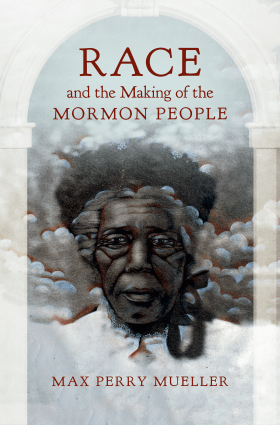 Max Perry Mueller,

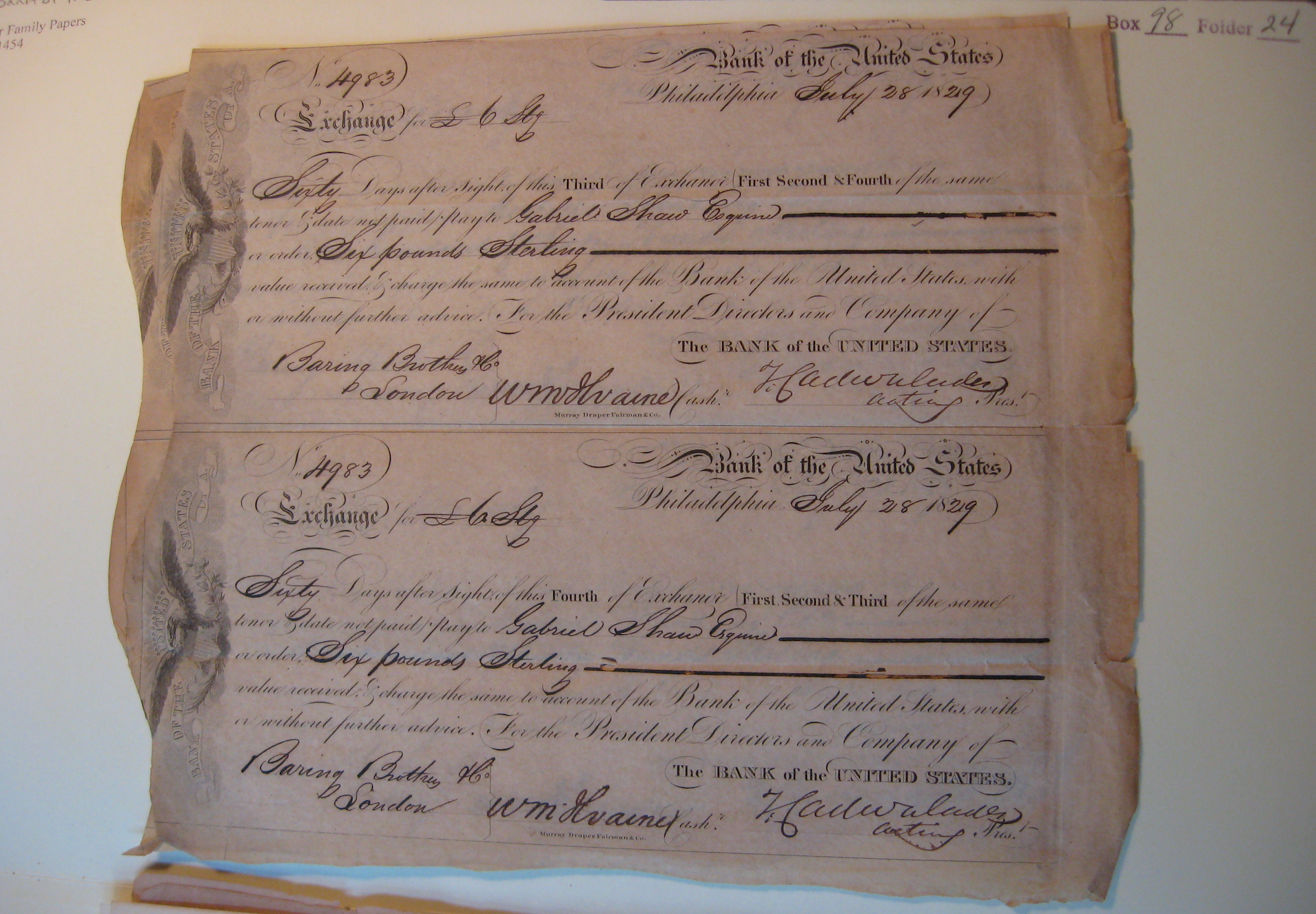
 Writing a book review a day after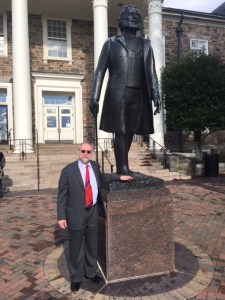
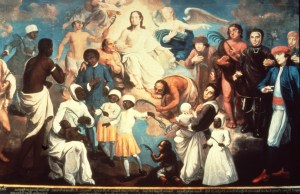
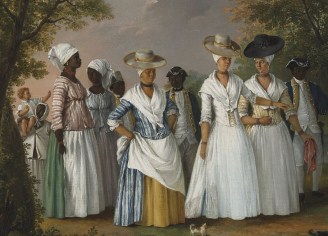 In the past 10 years, we have seen an embarrassment of riches in scholarship that considers race in Early America (broadly understood). The list below is not exhaustive, but highlights some of the recent scholarship. Feel free to add your own favorite recent scholarship in the comments, and keep your eyes out next month, for our CFP for a roundtable on race in Early America.
 The Junto