Materializing Race: An Unconference on Objects and Identity in #VastEarlyAmerica
August 24 and 25, 2020
1 PM EST both days (Zoom)
Proposals due by August 1, 2020
Organized by Cynthia Chin and Philippe Halbert
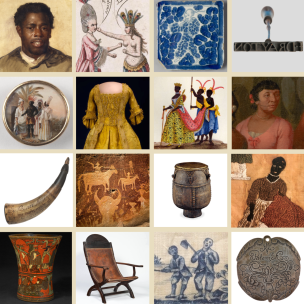 In a commitment to fostering nuanced interpretations of early American objects and meaningful dialogue on historical constructions of race and their legacies, we propose a virtual ‘unconference’ to share and discuss scholarship on the intersections of identity and material culture in #VastEarlyAmerica. This participant-driven, lightning round-style event will be held via Zoom, with two approximately two-hour afternoon sessions conducted in English. Energized by Dr. Karin Wulf’s call for broader, more inclusive histories of early America, we seek to promote a diverse cross-section of scholarship focused on North, Central, and South America and the Caribbean before 1830.
We welcome a variety of approaches and methodologies including historical, art historical, anthropological, archaeological, visual analysis, and experimental/experiential archaeological. Proposals should be object-focused and include a brief abstract (250 words with one relevant image) for a 10-15-minute presentation, along with a short CV of no more than 2 pages. Potential questions and themes for presentations might include:
- What is the next chapter in the discussion of race, ethnicity, identity, and early American material culture?
- What are potential methodological approaches and revisions/additions to existing material culture frameworks? How can #VastEarlyAmerica work to expand the traditional American material culture canon?
- What were some of the threads or outcomes of the 1619 Project dialogue (and other relevant publications/discussions) that relate/interact/tessellate with material culture studies? How can the 1619 Project and its surrounding narratives broaden the impact of material culture studies?
- Can the outcomes or discussions surrounding this dialogue engender new approaches/methodologies and discussions in material culture studies? How might it affect the way we as historians and curators interact with and publicly present objects? Does it present the ability to see “legacy” objects and historical figures/narratives differently as a result?
- Historians and material culture specialists as genealogists: how do our own personal family/ancestral narratives intersect with our study of early American history and material culture; the historian as biographer; the biographical object and the object biography
- Public history: new thoughts on old things, from the exhibition and display of objects in museum settings to historical and character interpretation, to include historic trades and foodways
- Object Case Studies: New interpretations of early American objects related to race, ethnicity, and identity
- The influence of historical anniversaries and commemorations: Jamestown 2007, the New Orleans Tricentennial Commission, Plimoth Patuxet and Mayflower 400, the 500th anniversary of the Spanish invasion of Mexico in 2019 and the 2021 bicentennial of Mexican independence, etc.
This event is co-convened by Dr. Cynthia Chin (Fred W. Smith National Library for the Study of George Washington) and Philippe Halbert (Yale History of Art). For more information, submission requirements, and audience registration details, please visit the Materializing Race website.
 Today is the first day of Native American Heritage Month, and our guest post comes from
  Working through the first course proposal at a tenure-track job is intimidating, and more so when the topic is as enormous and fraught as “Native History.” To develop this course with care, we sought input and advice on and off campus as the process unfolded. These thoughts originated in a meeting between Virginia Tech’s Native students’ group,
  Today at The Junto, Philippe Halbert interviews Katherine Egner Gruber, who is Special Exhibition Curator at the
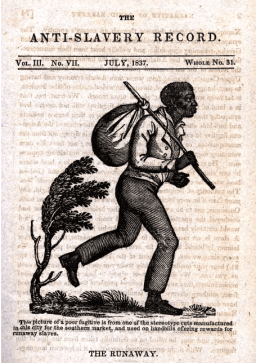
 As 2018 comes to a close, I can’t help but reflect on this year and its meaning for a place that has become near and dear to my heart (and in-progress dissertation): New Orleans. Founded by the French in 1718, Louisiana’s largest city has been celebrating its tricentennial for months and in a way that only New Orleans can. Ranked number one on the New York Times
  Early this morning, two hundred and fourteen years ago, Alexander Hamilton was shot in an infamous duel with rival Aaron Burr. Hamilton died the next day, Burr’s days as a legitimate political candidate were over, and both soon faded into relative historical obscurity. Some centuries later, their tale fell into the hands of Broadway force Lin Manuel Miranda, who was fresh off the success of his first full length production, In the Heights. Hamilton’s life and death were about to make an epic comeback, styled to powerhouse ballads, rap battles, and New York city fanfare.
 In August 2017, I virtually attended and
  Today at The Junto, Philippe Halbert interviews Erin M. Greenwald about her exhibition,
  Rise and shine, it’s time to relaunch our regular(ish) roundup of breaking news from early America. To the links!
 The Junto